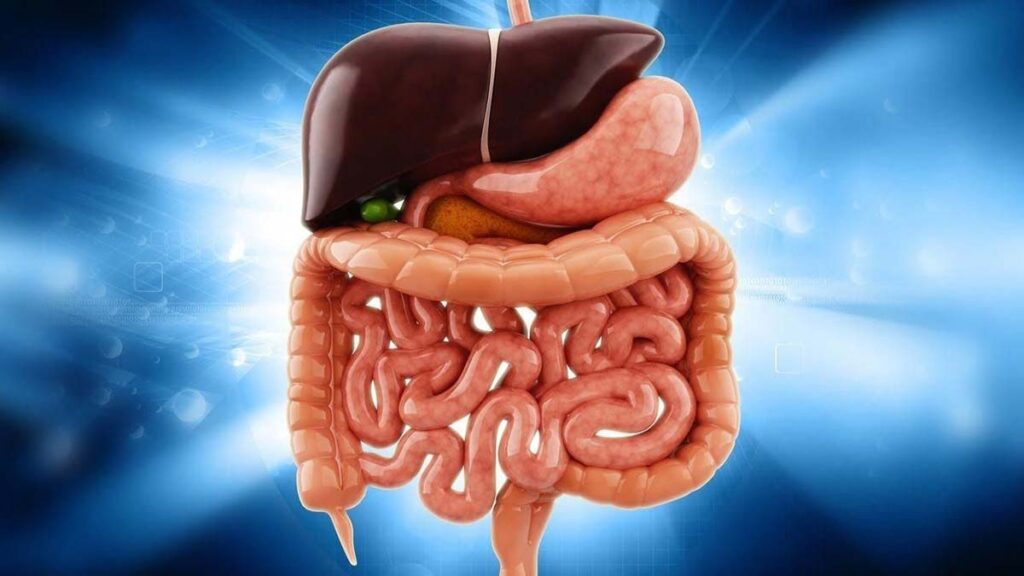
Full Recharge: Your Dream 30 Day Detox Program

Full Recharge: Your Dream 30 Day Detox Program

Full Recharge: Your Dream 30 Day Detox Program

Do you feel tired for no reason? Do you feel heavy and bloated after eating? Do you need a real “reboot” to restore your energy and lightness? If the answer is “yes”, then you’ve come to the right place.

Summer and fall are the perfect time to give your body a complete cleanse. Nature provides us with an abundance of fresh fruits and vegetables, and we’ll show you how to combine them with the science behind Herbalife Nutrition for maximum effect.

Recognize the Signals: Does Your Body Need a Reset?

Toxins are everywhere: in processed foods, polluted air, even in negative emotions. When our bodies accumulate more waste than they can eliminate, the first symptoms of intoxication appear. Check if you recognize some of them:

First symptoms:

  • Constant lack of energy and laziness;
  • Abdominal bloating, burping and gas;
  • Swelling of the limbs (even episodically);
  • Frequent, dull headaches;
  • Skin problems (pimples, rashes);
  • Irritability.

Symptoms of more serious intoxication:

  • Chronic constipation or diarrhea for no apparent reason;
  • Inability to lose or gain weight (reaching a “plateau”);
  • Joint and muscle pain;
  • Presence of diagnoses such as allergies, gout, skin problems (psoriasis).

If you recognize yourself, don’t worry! This is just a signal that it’s time to pay attention to your body. Our detox program is designed for this very purpose.

Program Basics: Key Products and Their Role

Our 30-day detox program is not a fast, but an intelligent balanced nutrition. We temporarily eliminate difficult-to-digest animal products and replace them with light, plant-based foods, supported by the power of Herbalife.

  • Formula 1 Shake: This is your ideal breakfast and/or dinner. Provides all 114 nutrients in perfect balance, keeping you full and energized with minimal calories.
  • Formula 3 Protein Powder or PDM: The key to a balanced plant-based diet! Adding pure protein to your shakes and meals prevents muscle loss and keeps you fuller for longer.
  • Aloe Herbal Concentrate: A true “shower from within”. Contains over 70 active ingredients and enzymes that soothe the digestive tract and help remove toxins accumulated in the intercellular space.
  • Oat-Apple Drink: A powerful combination of soluble and insoluble fiber. They act as a “broom” for the intestines, helping to clear waste fats and improve the absorption of nutrients.
  • Instant herbal drink (Thermojetix tea): Your source of tone and energy. It speeds up metabolism, helps burn fat and is rich in antioxidants.
  • Microbiotic Max: A combination of probiotic and prebiotic fibers that work together in harmony with a high fiber content and over 2 billion live bacteria from Bifidobacterium lactis and Lactobacillus helveticus strains in each serving.
  • Beta Heart: Much more than a heart support product. For people sensitive to regular fiber, with colitis, gastritis or intolerance to coarse foods, Beta Heart is an excellent choice as a cleansing product to gradually reach the recommended daily intake and transition to more aggressive fibers. It contains beta-glucans, which are clinically proven to help significantly reduce cholesterol.
Choose your plan: Two paths to one goal

We offer you two proven program options. You can alternate them or choose the one that best suits your rhythm and goals.

Option 1: Classic detox program (with solid food)

This plan is perfect for a sustainable and smooth cleansing. It can be adapted for both weight loss (2 shakes per day) and weight maintenance and detox (1 shake per day).

  • Morning: 500 ml of warm water with 2-3 caps of Aloe (you can also add juice from ½ lemon).
  • Breakfast: Shake Formula 1 (2 scoops) + Formula 3 (1-2 scoops) with water and/or a little fresh juice.
  • Snack: Fruit (apple, orange), handful of nuts or Herbalife Protein Bar.
  • Lunch: Before lunch, drink 1 dose of Oat-apple drink with a glass of water. The main course is a large salad plus seafood or plant-based protein (fish, lentils, chickpeas, tofu) or vegetable cream soup.
  • Afternoon snack: Nutritious smoothie (recipes can be obtained from your trainer), a handful of roasted soybeans or a glass of 2 scoops of PDM.
  • Dinner:
    • For weight loss: Formula 1 + Formula 3 shake.
    • For maintenance: Light plant-based dinner (similar to lunch).
  • Before bed: A glass of warm water with 2-3 caps of Aloe.

Option 2: Intensive Cleansing with “Turbojet” Cocktail

This is a more intensive plan, ideal for a “turbo start” of the program (for example, for the first 3-7 days) or for the days when you feel especially heavy.

  • Preparation of the “Turbojet” Cocktail: In a 2 liter bottle, mix: 2 l of water, 4 scoops of Formula-3, 2 scoops of Oat-Apple Drink, 1-2 scoops of Thermojetix Tea and 3-4 caps of Aloe. Men can add 2 scoops Formula-3 or PDM. Shake well before each sip (some of the components settle and this should not bother you).
  • Daily plan:
    • Breakfast: 1 Formula 1 shake.
    • During the day (until dinner): Drink your “Turbojet” cocktail at regular intervals. It replaces lunch and snacks, giving you everything you need.
    • Dinner: 1 Formula 1 shake.
Additional tips for maximum effect
  1. Hydration is king: Aim for 3-4 liters of fluids per day (water, Aloe water, Thermojetix or other herbal unsweetened tea).
  2. What to avoid: During the 30 days, completely eliminate fatty meat (except fish), dairy products, eggs, sugar, white flour and alcohol.
  3. What to eat: Emphasize all vegetables (raw and cooked), legumes (beans, lentils, chickpeas), fish, seafood, fruits and nuts in moderation. quantities.
  4. Movement and breathing: Even 30 minutes of brisk walking a day stimulates the lymphatic system and helps flush out toxins. Gentle breathing exercises also help.
“Healing crisis”: What to expect and how to react?

When you start the program, the body begins to actively cleanse itself. This can sometimes lead to temporary discomfort, which is a good sign that the process is working!

  • Headache? Most often it is a sign of insufficient hydration. Increase your water immediately!
  • Bloating and gas? Your body is adapting to more fiber. Start with half a dose of Oatmeal-Apple Drink and gradually increase.
  • Joint pain? This is a rare symptom of more serious intoxication, in which acidic waste is returning to the bloodstream. The solution is again more water and Aloe.
The Final Line: Proper Nutrition After the Program

After 30 days, your body is cleansed and it is important to return to your normal diet smoothly.

  • Week 1 after detox: Introduce yogurt.
  • Week 2 after detox: Add cheese and eggs.
  • Week 3 after detox: Include small portions of clean meat (chicken, beef) at lunch.
Important: Contraindications

The program is not recommended for:

  • pregnancy and breastfeeding,
  • exacerbated ulcer or colitis,
  • severe anemia and
  • immediately before/after abdominal surgery.
Are you ready for your transformation?

The results are worth it: more energy, better sleep, clear skin, improved digestion and accelerated fat loss.

Contact your Herbalife personal trainer today to receive your program, additional recipes and personal support on the way to your best self! The article uses only general advice that is not tailored to the personal measurements of the body structure and habits of the individual. For personalized advice, contact your trainer!

This article is based on modern concepts in nutrition, combined with the long-standing practice and methodology of Herbalife Nutrition. The sources listed reflect the basic principles underlying the program.

Bibliography:
  1. Official product catalog and user guides for Herbalife Nutrition products. – Detailed information on the composition, properties and recommended intake of each individual product used in the program.
  2. Internal methodological materials and training programs for independent members and coaches of Herbalife Nutrition. – Practical guidelines and protocols for creating personalized dietary regimens based on the client’s goals.
  3. Scientific publications on the importance of fiber in maintaining a healthy digestive system and intestinal motility. – Studies confirming the role of soluble and insoluble fiber (a key component in Oatmeal-Apple Drink) for intestinal health.
  4. Basic principles of alkaline-acid balance and the influence of food on pH levels in body. – Concepts explaining how a temporary transition to a plant-based diet rich in fruits and vegetables helps alkalize and reduce acid stress in the body.
  5. Popular nutrition literature dedicated to the natural processes of detoxification and supporting them through dietary regimens. – Books and articles examining the role of the liver, kidneys and digestive system in the cleansing processes and how adequate hydration and the right foods can optimize their function.
  6. Holistic health concepts connecting physical activity, hydration and diet to achieve optimal well-being. – An approach that views health as a complex system in which movement, breathing and proper nutrition work in synergy to achieve results.

 

How to quickly “cleanse” the liver?

How to quickly “cleanse” the liver?

How to quickly
How to quickly “cleanse” the liver?

The liver is a true hero of our body. It tirelessly filters the blood, processes nutrients, synthesizes important proteins and fights toxins. However, sometimes, under the pressure of an unhealthy lifestyle, it can become overloaded and begin to suffer, leading to a condition called steatosis (fatty liver).

In this article, we’ll look at science-based strategies to support your liver in its cleansing function and prevent or reverse the process of obesity. We’ll debunk the myth of the literal “quick cleanse” and focus on sustainable changes that really matter.

How to “cleanse” your liver quickly? I hate to disappoint you so much, but there’s no such thing as a quick liver cleanse.

Let’s get scientific. Is a liver “detox” necessary?

We often hear about “detox” diets and products that promise miraculous cleansing. The truth is, a healthy liver is a master at self-cleansing. It has complex enzyme systems (such as cytochrome P450) that neutralize harmful substances and prepare them for excretion from the body through the bile and kidneys [1].

However, when we systematically expose it to high levels of toxins (from junk food, alcohol, polluted air) and deprive it of the nutrients it needs, its effectiveness can decrease. In this sense, we are not talking about “cleansing” in the magical sense, but about supporting the natural cleansing functions of the liver and reducing its workload.

Effective Strategies to Support and Restore Your Liver

Instead of questionable “detox” regimens, focus on these science-backed steps:

  1. Liver-Friendly Diet: The Foundation of Liver Health

A proper diet is the cornerstone of a healthy liver. Here are some foods to include and avoid:

  • In Focus:
    • Green leafy vegetables (spinach, kale, arugula): Rich in chlorophyll and antioxidants that aid detoxification and reduce oxidative stress [2].
    • Cruciferous vegetables (broccoli, Brussels sprouts, cauliflower): Contain compounds like sulforaphane that activate liver detoxification enzymes [3].
    • High-fiber foods (whole grains, beans, flaxseed): Help eliminate toxins through the digestive tract and regulate blood sugar levels, which is important for preventing fatty liver [4].
    • Healthy fats (avocado, olive oil, oily fish – salmon, sardines): Rich in monounsaturated and omega-3 fatty acids, which have anti-inflammatory properties and can reduce fat accumulation in the liver [5].
    • Liver-supporting fruits (grapefruit, lemon, berries): Contain high levels of antioxidants such as vitamin C and flavonoids, which protect liver cells from damage [6].
  • Avoid or limit:
    • Processed foods: Often contain hidden fats, sugars, and additives that put a strain on the liver.
    • Refined sugars: Lead to increased blood sugar levels and can contribute to the formation of fat in the liver [7].
    • Excessive carbohydrates (especially from white flour and sweets): Like refined sugars, to turn into fat in the liver.
    • Fried foods: Contain saturated and trans fats, which are harmful to the liver and cardiovascular system.
    • Artificial additives (colorings, preservatives, sweeteners): The liver has to process them, which increases its work.
  1. Hydration is the key to effective detoxification

Water is essential for all bodily functions, including liver detoxification. Adequate fluid intake helps the liver filter the blood more effectively and eliminate waste products [8].

  • Healthy Drinks:
    • Warm water with lemon: Can stimulate the production of bile, which is important for digestion and the elimination of toxins [9].
    • Green tea: Contains catechins, powerful antioxidants that may help reduce fat in the liver and protect it from damage [10].
    • Turmeric tea: Curcumin, the active ingredient in turmeric, has anti-inflammatory properties and may be beneficial for liver health [11].
  • Avoid: Alcohol and sugary drinks, which directly stress liver cells and can contribute to liver damage and obesity [12].
  1. Regular physical activity is an ally for a healthy liver

Exercise isn’t just good for your waistline. Regular exercise helps burn excess fat throughout your body, including your liver. It also improves insulin sensitivity, which is important for preventing nonalcoholic fatty liver disease [13].

  • Recommended activities:
    • Cardio training (walking, jogging, swimming): At least 30-45 minutes most days of the week.
    • Strength training: Helps build muscle mass and improve metabolism.
    • Yoga and stretching: Can improve blood circulation, including to the liver, and reduce stress.
  1. Natural helpers – when and how to use them

How to quickly “cleanse” the liver with organic products? Some natural supplements may support liver function, but should always be used with caution and after consulting a doctor:

  • Milk thistle (silymarin): Has hepatoprotective properties, protects liver cells, and may help them regenerate [14].
  • Dandelion root: Traditionally used to stimulate bile production and aid in detoxification [15].
  • N-acetylcysteine ​​(NAC): Is a precursor to glutathione, a powerful antioxidant that plays a key role in liver detoxification [16].
  • Omega-3 fatty acids: May help reduce inflammation and fat accumulation in the liver [17].

Important: Self-medicating with supplements can be dangerous. Always consult a healthcare professional before taking any supplements, especially if you have pre-existing health conditions or are taking other medications.

  1. Quality sleep and stress management are important parts of recovery

Chronic stress and lack of sleep can have a negative effect on the liver. High levels of cortisol, the stress hormone, can contribute to the accumulation of fat in the liver [18].

  • Take care of your sleep: Aim for 7-9 hours of quality, uninterrupted sleep each night.
  • Manage stress: Practice relaxation techniques such as meditation, deep breathing, yoga, or journaling.
  1. Avoid toxins and unnecessary medications

The liver is the main organ that processes foreign substances, including medications and environmental toxins.

  • Reduce exposure to: Pesticides (by eating organic foods), chemicals (in cleaning products and cosmetics), and air pollution.
  • Avoid unnecessary medications: Especially nonsteroidal anti-inflammatory drugs (NSAIDs) like ibuprofen, which can be hard on the liver with prolonged use [19]. Always consult a doctor before taking any medication.

How long does it take for the liver to recover?

There is no one-size-fits-all answer. The liver has a unique ability to repair lost tissue. In healthy people, it can regenerate up to half its mass in about 30 days. Unfortunately, this does not mean that we can have a whole and completely new liver in 60 days. The recovery time depends on the degree of damage and the consistency in implementing healthy changes:

  • Mild steatosis: May show improvement after a few weeks of strict adherence to recommendations.
  • Moderate steatosis: Significant improvement is usually observed within 3 to 6 months.
  • Advanced steatosis: Recovery can take a year or more and requires more intensive and sustained efforts.
Conclusion: The path to a healthy liver is not instant, but persistent and sustainable.

The “quick cleanse” of the liver is more of a marketing gimmick than a scientific reality. True support and recovery of this vital organ requires a comprehensive and sustainable approach, including healthy nutrition, adequate hydration, regular physical activity, stress management, and avoidance of harmful factors.

How to quickly “cleanse” the liver? By following these science-based strategies, you will not only “cleanse” your liver, but also help it restore its functions and protect yourself from future problems, ensuring better health and quality of life in the long term.

The liver has a remarkable ability to regenerate, allowing it to quickly restore lost tissue. However, the time to “fully restore” its function is a more complex process and depends on multiple factors. Although new cells can be formed quickly, restoring full structure and function can take a significant amount of time and is not always possible in severe chronic damage. Maintaining a healthy lifestyle and balanced diet is most important for maintaining liver health and supporting its natural ability to recover.

Bibliographic reference
  1. Hodges, R. E., & Minich, D. M. (2015). Modulation of Metabolic Detoxification Pathways Using Foods and Food-Derived Components: A Scientific Review with Clinical Application. Journal of Nutrition and Metabolism, 2015, 760679.
  2. Ferruzzi, M. G., Blakeslee, J., Schwartz, S. J., & Song, Y. (2007). Antioxidant and anti-inflammatory properties of purple-carotenoid-rich vegetables. British Journal of Nutrition, 98(S1), S155-S159.
  3. Clarke, J. D., Dashwood, R. H., & Ho, E. (2008). Multi-targeted prevention of cancer by sulforaphane. Cancer Letters, 269(2), 291-304.
  4. Anderson, J. W., Baird, P., Davis Jr, R. H., Ferreri, S., Knudtson, M., Koraym, A., … & Waters, V. (1994). Health implications of dietary fiber. Nutrition Reviews, 52(1), 1-18.
  5. গিয়েছেন, M. A., Hossain, M. S., & Islam, M. A. (2014). Effects of monounsaturated and polyunsaturated fatty acids on non-alcoholic fatty liver disease: A systematic review and meta-analysis. PloS One, 9(1), e85202.
  6. مفتح, G., Emamat, H., Askari, G., Darvishi, L., Hariri, M., Khorvash, F., & Maracy, M. (2017). Effects of antioxidant supplementation on non-alcoholic fatty liver disease: a systematic review and meta-analysis of randomized controlled trials. International Journal of Clinical Practice, 71(10), e12981.
  7. Lustig, R. H. (2010). Fructose 2.0: metabolic, genetic, and societal implications of fructose excess. American Journal of Clinical Nutrition, 91(6), 1387-1394.
  8. Popkin, B. M., D’Anci, K. E., & Rosenberg, I. H. (2010). Water, hydration, and health. Nutrition Reviews, 68(8), 439-458.
  9. Rathi, N. L., & Keshwani, R. (2010). The effect of lemon juice on human bile. Indian Journal of Gastroenterology, 29(2), 117.
  10. Singh, B. N., Shankar, S., & Srivastava, R. K. (2011). Green tea catechin, epigallocatechin-3-gallate (EGCG): mechanisms, perspectives and clinical applications. Biochemical Pharmacology, 82(12), 1807-1821.
  11. Menon, V. P., & Sudheer, A. R. (2007). Antioxidant and anti-inflammatory properties of curcumin. The Indian Journal of Medical Research, 126(1), 29.
  12. চ্যাটার্জী, S., & Das, S. (2012). The metabolic syndrome and nonalcoholic fatty liver disease. Digestive Diseases and Sciences, 57(3), 634-640.
  13. Zelber-Sagi, S., Ratziu, V., строй, G., дизел, E., & Oren, R. (2011). Non-alcoholic fatty liver disease: an emerging pandemic. World Journal of Gastroenterology, 17(36), 4147.
  14. Abenavoli, L., Izzo, A. A., Milić, N., Cicala, C., Santini, A., & Capasso, R. (2018). Milk thistle (Silybum marianum) for non-alcoholic fatty liver disease: A systematic review and meta-analysis. Phytotherapy Research, 32(11), 2202-2213.
  15. колело, J. B. (2009). Dandelion (Taraxacum officinale) root extract affects lipid metabolism in hypercholesterolemic rats. Journal of Ethnopharmacology, 122(2), 306-313.
  16. Mokhtari, V., Afshari, P., Shahhoseini, M., Kalantarzadeh, G., Moini, A., Taghizadeh, M., & Ashtari, S. (2017). A review on the effects of N-acetylcysteine in neurodegenerative diseases. Cellular and Molecular Neurobiology, 37(7), 1463-1471.
  17. Parker, H. M., Johnson, N. A., Burdon, C. A., конска опашка, M. J., & Clifton, P. M. (2012). Omega-3 fatty acids and non-alcoholic fatty liver disease: systematic review and meta-analysis. Journal of Hepatology, 56(4), 944-951.

Seven Stages of Body Pollution

Seven stages of body pollution

In his life, a person goes through seven stages of pollution of the body, accumulating in him prerequisites for thousands of diseases. This can happen at any age and for any length of time.

FIRST STAGE

A person is visibly healthy. No diseases were found. Just feeling general tiredness. This is the first sign of the beginning of contamination and layering along the nerve channels. An expression of this can be osteochondrosis of the neck and spine.

SECOND STAGE

Headaches, joint and muscle pains are added to the fatigue. This is a condition after which diseases related to the excessive use of sugar, sweets and other simple carbohydrates are registered very soon. The body is oversaturated with foods that, in principle, even if they are not harmful, are not suitable for the specific person and his lifestyle.

THIRD STAGE

Occurrence of various allergic reactions. A natural desire of the polluted body to expel the garbage from itself. A stimulant can be the huge variety of allergens that surround us – pollen, house dust, animal hair, medicinal preparations, etc., but the real reason is rooted somewhere in improper nutrition.

As soon as the clogging of the body exceeds the permissible limits, a cough may appear, turn into asthma, mucus, phlegm, changes in the skin and hair, psoriasis, eczema, diabetes, etc. appear. Women have gynecological disorders in the form of various secretions. All this indicates improper nutrition, extremely excessive consumption of meat, eggs, flour in combination with alcohol or with improper consumption of fruits.

The third stage also includes bedwetting, which has recently become increasingly common in children. In such cases, special attention should be paid to the child’s nutrition before additional contamination with medication.

FOURTH STAGE

It manifests itself as various stasis diseases such as cysts, fibroids, papillomas, polyps, etc. adenomas, thrombophlebitis, tumors, etc. as well as fat deposits.

The appearance of papillomas on the human body signals the appearance of polyps in one or another part of the intestine. The need for detox and urgent measures for a balanced diet is obvious.

FIFTH STAGE

It is accompanied by diseases associated with deformation of the connective tissue of the organs. Such are rheumatism and polyarthritis and the like, in which uric acid, a product of poor protein absorption by the body, accumulates in the joints and muscles.

SIXTH STAGE

This stage of contamination of the body is expressed in biochemical layers of the nerve channels so that the transmission of signals becomes impossible. Paralysis, Parkinson’s disease, etc. appear.

SEVENTH STAGE

This is the last stage of the pollution of the body, associated with irreversible diseases and with the decomposition of cells and organs and cancer.

Cancer is nature’s revenge for improperly eaten food. Cancer is already a condition in which the anti-cancer protection provided by the colon’s fermentation abilities is absent and pathological cells form and grow unhindered.

From “Macrobiotics – Big Life Technique” (Japanese).

I don’t want to depress anyone unnecessarily, so I’ve spared most of the diseases that each stage leads to.

Everyone is free to decide what to do with their body.

It’s good for him to know that today is a great time to take steps to cleanse himself so that his body can deal with potential bigger problems on its own.