Strength has no age: How to beat sarcopenia and restore youthfulness to your muscles
From my memories and with the help of a much older doctor friend of mine
“A patient of mine came to me on his seventieth birthday. With a slight resignation in his voice, he told me that just as he accepts the graying of his hair, so he He had also come to terms with the loss of muscle mass. For him, it was a process that simply happened with age, without asking permission from anyone.
In just five years, he had become significantly smaller. His strength had left his body without warning, like an unexpected guest in the night. The reason his daughter brought him to my office was an incident in the supermarket parking lot—she had seen him straining and panting to carry a single bag of groceries. A bag that just ten years ago he would have easily handled without even thinking.
That conversation in the parking lot opened the door to a truth that every mature person needs to hear: the loss of muscle mass—a medical condition called sarcopenia—is far from inevitable.”
What exactly is sarcopenia?
After the age of 30, the human body naturally begins to lose between 3% and 8% of its muscle mass per decade, as this rate accelerates dramatically after age 60. Sarcopenia is not just “muscle loss”; it is a loss of function, metabolic rate, and bone density.
But here’s the good news, which science and my long-time practice with my friend on the Scientific Board of a large international company confirm: in its dramatic acceleration, this process depends entirely on whether the muscles receive the right stimulus and the right fuel. Your body hasn’t forgotten how to be strong. It’s just waiting for a command.
The Three Pillars of Defeating Sarcopenia
To reverse the process, we need to activate three main levers: mechanical stimulus, biochemical nutrition, and cellular repair.
Mechanical Stimulus: Muscles Grow Even at 90!
Clinical studies are conclusive: gaining new muscle mass among participants in their 80s and 90s is entirely possible. A muscle cell doesn’t know what your PIN indicates; it only responds to the stimulus it has to resist.
To tell your body that it MUST stay strong, you need to do resistance training 2 to 3 times a week:
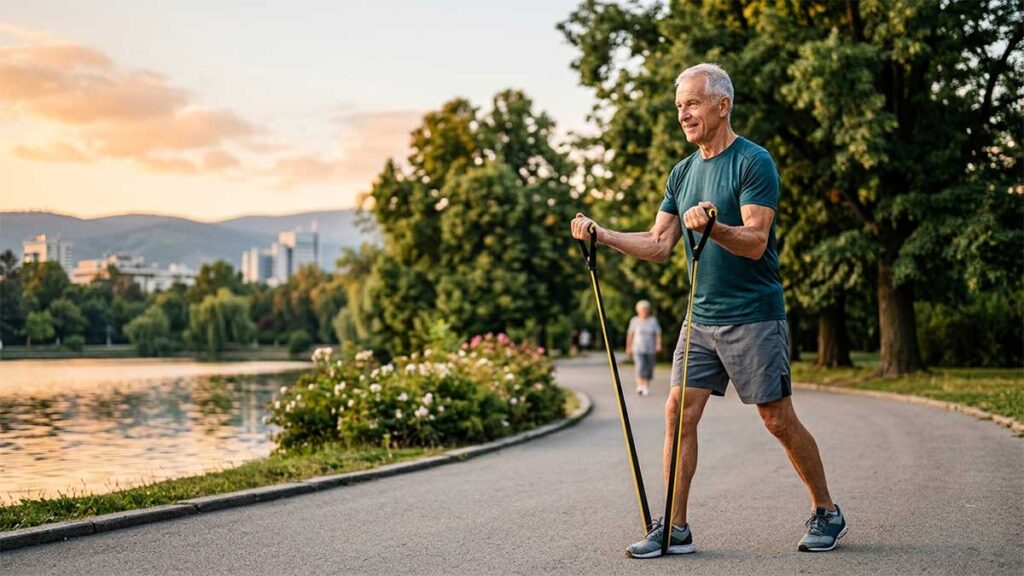
Resistance bands: Extremely gentle on joints, yet effective on muscle fibers.
Light weights (dumbbells): Progressive loading stimulates the nervous system and bone density.
The Nutritional Pillar: Overcoming Anabolic Resistance
After the age of 60, the body develops the so-called anabolic resistance – a reduced sensitivity of the body to the stimulation of protein synthesis. In simple terms: to build the same amount of muscle as a 20-year-old, you need more and higher quality protein at one meal.
As a nutritionist, my friend advises his adult patients to focus on:
Quality and amino acid profile: The protein should be rich in leucine (the key amino acid for muscle growth). The combination of whey and high-quality soy protein (as we use in Herbalife products) provides a complete amino acid profile – no need to stock up on any other special products.
Timing: Protein should be consumed evenly throughout the day (around 25-30 grams per meal), with the most critical window being within 45 minutes of exercise to capture the anabolic window.
Sleep: Where the Magic Happens
Muscle repair occurs during deep sleep. This is when the body releases growth hormone (hGH). The importance of a good 7-8 hours of sleep for muscle preservation cannot be overstated. Without sleep, your workouts are simply breaking down your body instead of building it.
When Modern Science Meets Ancient Wisdom
What I keep coming back to in my practice – as if I were referring to an irreplaceable source – is the connection between modern dietetics and ancient knowledge.
The nutritional knowledge that allowed our ancestors in the Bulgarian lands to remain vibrant and athletic into old age overlaps with the concepts of ancient Eastern medicine. There, it talks about preserving the “kidney essence” (Djin) through muscle toning and clean food.
But we don’t need to rush to the East, let’s stand firmly on our feet.
Our grandparents didn’t know the word “sarcopenia”, but they consumed clean, unprocessed food, rich in proteins and nutrients, and were constantly on the move. Today, science is simply “translating” this wisdom into modern language through clinical research and high-tech functional foods.
Your strategy for today:
Don’t settle: Weakness is a choice of habits, not a consequence of your personal identification number.
Add resistance: Start with 15 minutes of light exercises with a rubber band or light weights every other day (you don’t have to buy dumbbells – they are not exactly cheap – nothing prevents you from using bottles filled with water or sand or other weights available at home).
Optimize your plate: Make sure that you have a quality source of protein at every meal (eggs, pure cottage cheese, fish or a specialized protein shake). Don’t skip snacks or enough protein at every meal.
You are fully capable of staying physically strong because your body simply hasn’t forgotten how to do it. Give it the necessary stimulus and it will thank you with vitality!
If you don’t have someone to help you in this fight against sarcopenia, you know where to find us – look at the contact page.
References:
Cruz-Jentoft, A. J., et al. (2019).Sarcopenia: revised European consensus on definition and diagnosis. Age and Ageing, 48(1), 16-31. (Key study to define muscle loss in adulthood).
Wolfe, R. R. (2006).The underappreciated role of muscle in health and disease. The American Journal of Clinical Nutrition, 84(3), 475-482. (On the role of protein intake and anabolic resistance).
Fiatarone, M. A., et al. (1990).High-intensity strength training in nonagenarians: effects on skeletal muscle. JAMA, 263(22), 3029-3034. (The legendary study proving that 90-year-olds can build muscle mass through strength training).
Paddon-Jones, D., & Rasmussen, B. B. (2009).Dietary protein recommendations and the prevention of sarcopenia. Current Opinion in Clinical Nutrition & Metabolic Care, 12(1), 86-90. (On the timing of protein intake after 60 years).
7 Evening Habits That Are Secretly Harming You (and How to Fix Them)
The end of the day has come. You’re tired, you’ve had dinner, and all you want to do is relax on the couch. Sounds familiar, right? We all have our little evening rituals that help us de-stress. But have you ever wondered if some of these “healthy” habits are actually working against you, sabotaging your sleep, digestion, and even your efforts to maintain a healthy weight?
As nutrition coaches, we at Club Galanto see every day how small mistakes in your evening routine can lead to big disappointments – bloating, poor sleep, lack of energy in the morning, and unexplained weight gain.
In this article, we’ll debunk 7 popular myths about after-dinner habits. We’ll show you why commonly accepted practices aren’t always correct and give you specific, easy-to-follow tips on how to turn your evening into a powerful ally for your health.
1. Eating Fruit for Dessert
Common Belief: “Fruit is a vitamin bomb and is the perfect light and healthy dessert to end the day with.”
Why is this a mistake? When you eat fruit right after a main meal, especially in the evening, it gets “stuck” in your stomach on top of the heavier food. Instead of being digested quickly, it starts to ferment. This process leads to unpleasant bloating, gas, and a feeling of heaviness. Your digestive system is overloaded, and you go to bed with discomfort that prevents you from getting a good night’s sleep.
How is it right? Enjoy fruit, but at the right time! The ideal time for it is in the morning on an empty stomach or as a snack at least 2 hours before or after your main meal. This way, your body will get the most out of their benefits without any negative consequences.
2. Take a short walk right after dinner
Common belief: “A walk right after a meal helps the food to ‘settle down’ and aids digestion.”
Why is this a mistake? In fact, the opposite happens. To digest food effectively, the stomach needs a concentrated blood flow. When you go for a walk right away, blood circulation is redirected to the extremities to feed the muscles. Thus, digestion is “neglected” and the process is significantly slowed down, which can lead to heaviness and heartburn.
How is it right? Give your body time. Wait at least 45-60 minutes after dinner and then go for a light, pleasant walk. During this time, you can pay attention to your family, read a book, or indulge in a favorite hobby.
3. Drinking plenty of water during and immediately after dinner
Common belief: “I need to drink plenty of water constantly, including with dinner, to stay hydrated and help flush out toxins and burn fat.”
Why is this a mistake? A large amount of water consumed during a meal dilutes the gastric juices and enzymes that are key to breaking down food. This not only makes digestion difficult, but paradoxically can also lead to constipation. In addition, excessive fluid intake in the evening will force you to get up to go to the bathroom during the night, disrupting your precious sleep.
How is it right? Drink water up to 30 minutes before dinner and wait at least an hour after it before continuing with hydration, and do it moderately so as not to disturb your sleep often. During the meal itself, drink only small sips, enough to swallow more easily.
4. Brushing your teeth immediately after eating
Common belief: “I should brush my teeth immediately after dinner to remove food debris and prevent cavities.”
Why is this a mistake? Many foods and drinks (especially acidic ones) temporarily soften tooth enamel. If you start brushing right away, you are actually “rubbing in” the acid and accelerating the wear of the enamel. This can lead to increased sensitivity and loss of shine to your teeth.
How is this correct?Wait at least 30 minutes after dinner. This gives saliva time to neutralize the acids and start the natural remineralization process.
5. A cup of tea or coffee to end the evening
Common belief: “A warm drink like tea or coffee after dinner relaxes me and helps me digest my food.”
Why is this a mistake? Both tea (black, green) and coffee contain tannins. These compounds bind to important minerals in food, especially iron, and block its absorption by the body by up to 87%. Regular consumption of these drinks around meals can lead to iron deficiency, anemia, fatigue and weakness. Caffeine, in turn, can seriously disrupt the quality of your sleep, even if you don’t feel it.
What’s the right way? Save the coffee ritual for the morning, and tea for the early afternoon. If you feel like drinking something warm in the evening, choose a herbal decoction without caffeine (chamomile, mint, lemon balm) and without sweetener.
6. Taking a hot shower or bath
Common belief: “A hot shower after dinner relaxes me and prepares me for sleep.”
Why is this a mistake? Like a walk, a hot shower causes the blood vessels on the surface of the body and extremities to dilate. Blood is redirected there, diverting it from the stomach and digestive system. The result is slowed and inefficient digestion.
How is it right? The ideal time for a relaxing shower is at least an hour and a half after dinner, for example, after your evening walk and shortly before bedtime.
7. Going to bed right after dinner
Common belief: “I need to go to bed early to get 8 hours of sleep, so I eat dinner and go straight to bed.”
Why is this a mistake? This is perhaps the biggest mistake. Going to bed in a horizontal position with a full stomach is a guarantee of problems. The risk of gastroesophageal reflux (acid reflux) increases dramatically. Digestion stops, food ferments, and the body, instead of recovering, stores the calories it consumes directly as fat.
How is it right? The golden rule is: eat dinner at least 2-3 hours before bedtime. This gives your body enough time to process the food before it goes into rest and recovery mode.
Your partner for a perfect dinner and a restful sleep
We understand that in a busy everyday life it is difficult to follow all the rules. We often come home late, hungry and without energy to cook complex meals, and then wait hours before going to bed.
This is where the role of intelligent and balanced nutrition comes in. Herbalife Nutrition products are designed to support you in achieving your goals by providing you with easy, fast and effective solutions, especially for the most critical meal – dinner.
Here are our recommendations for a healthy evening ritual:
The perfect dinner: Formula 1 Shake Forget about heavy and fatty foods in the evening. The Formula 1 Shake, made with Protein Drink Mix (PDM) or Formula 3, is the perfect meal replacement. It provides all the necessary nutrients, high-quality protein and fiber with minimal calories. It is quickly absorbed, does not burden the digestive system and leaves you full and light – ready for a full rest.
To soothe the digestive system: Aloe Herbal Concentrate A glass of water with Aloe Concentrate (mango flavored or plain) about an hour after dinner is a great way to hydrate the body and support the natural cleansing processes in the digestive tract. Aloe has a soothing effect and contributes to good digestion.
For a happy gut: Microbiotic Max Add one sachet to your shake or glass of water. With 2 billion live bacteria and prebiotic fiber, this product supports the balance of intestinal microflora, which is the basis for good digestion, strong immunity and full sleep.
For quality and restorative sleep: NightMode If you wake up often or wake up tired, NightMode is your faithful ally. This saffron-infused drink is not a sleeping pill, but a product that has been proven to improve sleep quality. Deeper sleep means better recovery, balanced hormones, and more energy in the morning.
Ready to turn your evenings from enemy to ally?
Contact us today for a free consultation! As your personal nutrition coaches, we will help you build a personalized regimen tailored to your goals and lifestyle to achieve the results you’ve always dreamed of.
Share in the comments which of these myths surprised you the most!
Bibliography and sources used:
Goel, N., Kim, H., & Lao, R. P. (2005). An Olfactory Stimulus Modifies Nighttime Sleep in Young Men and Women. Chronobiology International, 22(5), 889–904. – On the influence of relaxing aromas (similar to those in teas) on sleep.
St-Onge, M. P., Mikic, A., & Pietrolungo, C. E. (2016). Effects of Diet on Sleep Quality. Advances in Nutrition, 7(5), 938–949. – A comprehensive review of the relationship between diet and sleep quality.
Scheen, A. J., & Luyckx, F. H. (1998). Postprandial exercise and nutrition. Current Opinion in Clinical Nutrition and Metabolic Care, 1(4), 343-349. – Analysis of the effects of post-meal exercise.
Jarvis, C. (2018). When is the best time to brush your teeth? British Dental Association. – Recommendations from dental associations regarding the time to brush your teeth.
Hurrell, R. F., & Egli, I. (2010). Iron bioavailability and dietary reference values. The American Journal of Clinical Nutrition, 91(5), 1461S–1467S. – A paper explaining how compounds in tea and coffee inhibit iron absorption.
Fujiwara, Y., et al. (2007). Association between dinner-to-bed time and gastro-esophageal reflux disease. The American journal of gastroenterology, 102(12), 2633-6. – Study linking short time between dinner and bedtime to increased risk of reflux.
How to Find Your Ikigai: 14 Steps to a Life Filled with Meaning and Joy
In “Ikigai – “the reason for being” we looked at what exactly the Japanese concept of “Ikigai” means – that magical intersection between what you love, what you are good at, what the world needs, and what they can pay you for.
Now it’s time to move from theory to practice. How do we incorporate this philosophy into our daily lives and discover our personal Ikigai? The truth is, it’s not a destination, but a journey – a conscious choice to live more fully every day.
Although the term is Japanese, the principles behind it are universal and accessible to each of us. Here are 14 practical steps, inspired by the centenarians of Okinawa, that will guide you on the path to your Ikigai.
Part 1: The Ikigai Philosophy – A Change in Attitude
It all starts with the way we perceive the world and ourselves.
Leave the urgency behind and embrace a slower pace of life. In a world obsessed with speed and constant busyness, slowing down is a revolutionary act. When we stop rushing, we begin to notice the details, enjoy the moment, and make more conscious decisions. This does not mean laziness, but prioritization.
Smile more and to everyone. A smile is a universal language that costs nothing but gives a lot. It has the power to change not only your mood, but also that of the people around you. A smile is a small ritual that creates positive energy and opens doors.
Accept the people around you as they are. Everyone fights their own battle and has their own path. Trying to change others is a source of constant tension. When we accept them with their strengths and weaknesses, we free ourselves from unnecessary expectations and create more harmonious relationships.
Be grateful for everything that brightens your day. Gratitude is a powerful tool for happiness. Every morning or evening, take a minute to think about 3 things you are grateful for – the sun, a cup of warm coffee, a conversation with a friend. This simple practice retrains your mind to seek the good.
Live today and now – in the present moment. The past cannot be changed, and the future is unknown. The only thing we truly have is the present moment. Stop regretting yesterday and worrying about tomorrow. Focus on what you are doing now. This is the essence of mindfulness.
Part 2: Daily Habits for Health and Harmony
The body and spirit are inextricably linked. Taking care of the body is also taking care of the mind.</ol start=”6″>
Stay active, even after you retire. Your Ikigai gives you a reason to get out of bed every day. People who withdraw from everything they used to love to do lose their purpose. Continue to do the things that bring you joy and make you feel useful, regardless of your age.
When you eat, stop before you are completely full. In Japan, there is a rule “Hara hachi bu” (腹八分), which means eating until you are 80% full. This small difference allows the body to process food more easily, keeps your energy stable and is one of the keys to longevity.
Get in shape every day with light exercise. You don’t have to run a marathon. A 5-10 minute walk, light gymnastics in the morning, yoga or dancing in the living room is enough. Movement releases endorphins – the hormones of happiness, and keeps your body healthy and flexible.
Communicate with nature whenever possible. Even a few minutes in the park, among the trees or by the water can recharge your batteries. Nature reminds us of the larger cycles in life and helps us escape from everyday stress.
Part 3: At the Heart of Ikigai – Your Mission and Passion
This is the core around which everything else is built.
Discover your mission and calling. Ask yourself, “How can I be of service?” Your Ikigai is often about serving others – be it your family, your community, or the world at large. Even the smallest contribution matters.
Follow your passion. Make a living doing something you love. This is the ideal of Ikigai. Combine what you love with what you are good at. If your job is not your passion, find a hobby that excites you and dedicate your time and energy to it. Sometimes a hobby can become a profession.
Dream big. Define your dream, think about it and follow it! Don’t be afraid to have big goals. Your dream gives you direction and motivation. Break it down into small, achievable steps and work on them every day. The journey to your dream is often more important than the goal itself.
Be helpful. Do a few acts of kindness every day. Help a neighbor, give a compliment, share knowledge. Small gestures of kindness create ripples of positivity and connect you to others, giving you a sense of purpose.
Surround yourself only with good friends. Friends are the family we choose. They are the people we share joys and hardships with. Quality social connections are one of the strongest factors for a long and happy life. Keep these connections alive.
In conclusion
Finding your Ikigai is not a one-time event, but a process of continuous discovery. It lies in small daily rituals, in conscious choices, and in the courage to follow your heart.
Start today. Choose one of these 14 steps and implement it. Even the smallest change can be the beginning of an exciting journey to a happier, healthier, and more meaningful life.
What is your first step toward discovering your Ikigai? Share in the comments!
The War on the Silent Thief: How to Beat Muscle Loss After 40?
The War on the Silent Thief: How to Beat Muscle Loss?
Imagine there is a thief who every year after you turn 40, breaks into your house and takes something small. At first you don’t notice. A vase here, a book there. But after 10-20 years, you look around and realize that your home is empty.
This thief exists and his name is sarcopenia. It is the medical term for the gradual, age-related loss of muscle mass, strength and function. It is silent, unnoticeable, but its consequences are huge: reduced mobility, a higher risk of falls and fractures, a slowed metabolism and a loss of independence.
It steals not only from your muscles. It steals from your health. If you neglect it, you will gradually start to have difficulty walking, get tired quickly, lose your balance, have aches and pains here and there and all sorts of “old age” ailments.
The good news? You can change the locks, install an alarm and make your home (your body) an impregnable fortress. No magic is needed, just an informed and consistent plan. As nutrition coaches, we are here to give you the battle map and guide you in the fight. All you have to do is trust us.
Here are the 7 golden rules in the fight against sarcopenia:
1. Feed your muscles, don’t starve them! (Protein is the CAR)
Your muscles are like a luxury building that constantly needs repair and maintenance. Protein is the bricks, cement, and steel in one. If you stop the supply of material, the building begins to collapse.
Science says: As we age, our bodies become less efficient at processing protein. This is called “anabolic resistance.” So not only do we need protein, we need more quality protein.
Your mission: Forget the old recommendations. Aim for 1.2 to 1.6 grams of protein per kilogram of body weight per day. For an 80-pound person, that means between 96 and 128 grams of protein each day.
Best sources: Yes, grains and legumes are great, but for maximum effect, combine different sources to get all the essential amino acids. Include in your menu:
Lean meats (chicken, turkey, beef);
Fish (especially salmon and tuna);
Eggs;
Dairy products (skim, yogurt, cottage cheese);
A combination of legumes, lentils, quinoa, and tofu.
2. Carbohydrates: Not the enemy, but the “transport department”
If protein is the building block, then carbohydrates are the trucks that deliver it to the site (the muscles) and the energy for the builders themselves. Without them, the process is slow and inefficient.
Science says: Quality carbohydrates replenish glycogen stores in your muscles, giving you energy for your workout. They also help transport amino acids (from protein) into muscle cells and stimulate hormones that promote growth.
Your mission: Choose “slow” or complex carbohydrates that release energy gradually.
Best sources:
Oats;
Brown or whole grain rice;
Quinoa;
Potatoes and sweet potatoes;
Fruits and vegetables.
3. The 80/20 Rule: Eat real food!
You can’t build a strong house with mud and straw. Likewise, you can’t build a strong body with processed foods full of sugar, bad fats, and empty calories.
Science says: Whole foods are rich not only in protein and carbohydrates, but also in vitamins, minerals and antioxidants. Micronutrients such as magnesium, zinc and vitamin D play a key role in muscle function and protein synthesis.
Your mission: At least 80% of your food should come from unprocessed, whole foods that you cook yourself. The remaining 20% is for flexibility and enjoyment – life should still be delicious!
4. Lift heavy (or at least heavier than yesterday)!
Muscles grow for one simple reason: physical (force) stress. You have to give them a reason to get stronger. If you don’t challenge them, they say to themselves: “Apparently they don’t need me” and start packing their bags.
Science says: Strength training creates microscopic tears in muscle fibers. During the recovery process (with the help of the protein you eat!), your body builds them bigger and stronger to handle the next challenge.
Your mission: Train with resistance at least 2-3 times a week. The resistance should be tailored to your current physical condition (joint problems, etc.). “Resistance” can be anything:
Your own weight (squats, push-ups, lunges);
Elastic bands;
Dumbbells or kettlebells;
Fitness equipment: The key is progressive overload – aim to gradually increase the weight, number of repetitions or sets.
5. Hydration: Put oil in the engine
It may seem unrealistic, but muscles are about 75% water. Dehydration is like trying to drive a car without oil – everything squeaks, overheats and stops working.
Science says: Water is essential for transporting nutrients to cells and removing waste products. Even mild dehydration can reduce strength, impair concentration and slow recovery.
Your mission: Drink water throughout the day. Don’t wait until you’re thirsty. About 3 liters for men and 2.2 liters for women is a good starting point, but needs vary. The color of your urine is a good indicator – aim for a light straw color.
6. Sleep for Muscle: The Growth Factory Works at Night
You can train perfectly and eat flawlessly, but if you don’t get enough sleep, you’re sabotaging your own efforts. Sleep is the time when the body does the most important repairs.
Science says: During deep sleep, the body releases key hormones for growth and recovery, such as growth hormone and testosterone. Lack of sleep, on the other hand, increases cortisol – the stress hormone.
Your mission: Aim for 7-9 hours of quality sleep per night. Create a ritual:
Go to bed and wake up at the same time;
Sleep in a completely dark and cool room;
Avoid screens (phone, TV) for at least an hour before bed.
7. Tame stress before it eats away at your muscles
Chronic stress is like rust to your body. It slowly and surely eats away at your foundation.
Science says: Persistently high levels of the stress hormone, cortisol, have a catabolic effect—they actively encourage the breakdown of muscle tissue for energy. Literally, stress eats away at your muscles.
Your mission: Find your own ways to “let off steam.” You don’t have to become a Zen monk, just find what works for you:
A walk in nature;
Meditation or a few minutes of mindful breathing;
Yoga;
Listening to music;
Time with family and friends.
When to start the battle and how to beat muscle loss?
It’s never too early to start! One day you’ll be grateful to me for this advice.
Imagine that your muscles are like a bank account from which you withdraw a little every day after the age of 30. For the first 10 years, you hardly notice the difference – the losses are small, and the interest (in this case, training and eating habits) compensate. But after 40, the “bank” starts charging higher commissions: you lose 1-3% of muscle mass every year, and after 60 – up to 5%. We already know that science calls this process sarcopenia, but you can think of it as “silent tax on inactivity”.
The good news? The deposit is always open! Studies show that people who started regular training and a balanced diet before the age of 35-40 retain 30-50% more muscle mass up to 70 years compared to their sedentary peers. It’s like putting an “alarm” on your bank account – the thief is still coming, but you surprise him with an empty cash register.
You are the architect of your future body
The fight against sarcopenia is not a sprint, but a marathon. It requires knowledge, perseverance and, most of all, a good strategy. These seven rules are the foundation, but sometimes it’s hard to apply them alone in our busy lives.
That’s where we come in. As your personal nutrition coaches with Herbalife’s expertise and science-backed products, we can help you create a personalized plan that works for you. We’ll help you get the protein you need in a way that’s easy and delicious, we’ll structure your meals and we’ll be there every step of the way to keep you motivated.
Don’t let the silent thief rob you of your strength and vitality. Contact us today and let’s build a healthier, stronger and more energetic version of yourself together!
Literature and scientific sources used:
Cruz-Jentoft, A. J., & Sayer, A. A. (2019). Sarcopenia. The Lancet, 393(10191), 2636-2646. (This is a seminal review on sarcopenia).
Bauer, J., Biolo, G., Cederholm, T., Cesari, M., Cruz-Jentoft, A. J., Morley, J. E., … & Boirie, Y. (2013). Evidence-based recommendations for optimal dietary protein intake in older people: a position paper from the PROT-AGE Study Group. Journal of the American Medical Directors Association, 14(8), 542-559. (Key publication on the increased protein needs of older people).
McLeod, M., Breen, L., Hamilton, D. L., & Philp, A. (2016). Live strong and prosper: the importance of skeletal muscle strength for healthy ageing. Biogerontology, 17(3), 497-510. (Article explaining the link between strength and healthy aging).
Dattilo, M., & Antunes, H. K. M. (2011). Sleep and muscle recovery: endocrinological and molecular basis for a new and promising hypothesis. Medical hypotheses, 77(2), 220-222. (Examines the link between sleep and muscle recovery).
Easy Practical Tips for a Calorie Deficit (en translation)
Easy Practical Tips for a Calorie Deficit Without Counting Calories
Purely theoretically, if we want to lose weight, it makes perfect sense to aim for a “calorie deficit”. But without the right advice, this can be difficult and require a lot of willpower.
However, life puts our logic of calorie deficit into question:
Each of us knows people who constantly eat and remain thin.
At the same time, there are people who, just by looking at food, start to gain weight.
Metabolism is not a simple physical process in which the calories consumed are used up, and the excess turns into fat. It is an extremely complex system of biochemical processes. Sometimes, with a slight deficiency of some important substances, our body can go into a protective mode.
And it is so annoying to count calories in every meal, isn’t it? I’m sure you will agree. In addition to the deficit, we must also take into account the nutritional value of each food. If we do this constantly, we are unlikely to last long.
So what should we do?
Here are some easy practical tips for calorie deficit that will help you.
Increase protein.
Protein is the building block of our body. It not only builds organs, but also participates in all enzymes. It is like the “bricks” from which everything is built. We usually do not consume as much protein as we need. Often our intake is on the verge of physical survival, at the expense of other macronutrients, which we consume in excess. A lack of protein also increases our appetite.
How to do it? Add protein to every meal. There is a maximum amount that we can absorb at one meal, so it is important to distribute it evenly throughout the day. How much is individual, so we recommend consulting a nutritionist or nutrition coach. For example with us.
Increase your fiber intake with bulky low-calorie foods (vegetables).
Fiber and vegetables are rich in nutrients, but low in calories. They help you feel full longer without consuming excess calories. This is the key to a calorie deficit without having to starve.
How to do it? Prepare a huge portion of salad for each main meal. Reduce the amount of the main dish at the expense of the salad. Aim for vegetables to take up at least half of your plate.
Add high-protein snacks.
Eating frequently in small portions keeps blood sugar stable and reduces hunger. High-protein snacks keep you full and energized, preventing overeating at main meals.
How to do it? Try not to go more than 3 hours without eating. Add at least one or two protein-rich snacks. For example: Bulgarian yogurt, some cottage cheese, a protein shake or a handful of nuts.
Chew thoroughly and eat slowly and with pleasure.
Our body takes time to “understand” that it is full. When we eat quickly, we swallow more food than we need before the brain receives a signal of satiety. Eating slowly gives your body time to send this signal and you can enjoy your food.
How to do it? Put down your cutlery for a short time between bites. Talk to people at the table. Focus on the taste and texture of your food. Chew each bite at least 20-30 times.
Stop consuming liquid calories (sodas and the like).
Liquid calories from sweetened drinks, juices, and even sodas don’t fill you up, but they add a lot of calories to your daily intake. They contain fructose and other fast sugars that lead to spikes in blood sugar and subsequent hunger.
How to do it? Replace all sweetened drinks, soft drinks and juices with pure water, unsweetened tea or sugar-free coffee.
Forget white sugar – eat at least 1-2 fruits a day.
White sugar is a source of “empty calories” that do not bring any nutritional benefits and lead to a rapid increase in blood sugar. Fruits, on the other hand, contain natural sugars, but also a lot of fiber, vitamins and minerals.
How to do it? Avoid sugar, sweetened desserts, candy and pastries. Replace them with 1-2 servings of fruit a day. They will satisfy your desire for sweets in a healthy way. If you can’t stand it without something sweet, make it at home so you know what products it’s made with.
Forget fried and breaded foods – replace them with boiled, baked, or pan-fried foods.
Fried and breaded foods absorb a large amount of fat (and saturated fat), which dramatically increases their calorie content. In addition, the high temperature during frying can lead to the formation of harmful substances.
How to do it? Instead of frying, cook your food in the oven, steam, boil, or pan-fry with a little fat. This will significantly reduce calories and preserve nutrients.
Give up milk if you are school-aged and older.
Many people develop lactose intolerance as they age, which can lead to digestive problems and bloating. Milk can contain hormones and antibiotics, which are certainly not good for the body.
How to do it? Try replacing milk with ayran from Bulgarian yogurt or with plant-based alternatives such as soy,almond or oat milk. You can also consult a nutrition coach or dietitian for individual recommendations.
Avoid processed meats and sausages, especially those in plastic packaging.
Processed meats and sausages are full of additives, preservatives, salt, artificial flavors, and saturated fat. They are high in calories and have little nutritional value, while also being harmful to your health.
How to do it? Choose fresh meat (chicken, fish, turkey, lean pork, or beef) and prepare it yourself at home. Read labels and avoid products with a long list of unknown ingredients.
Avoid all products containing MSG, Nutrasweet, formaldehyde, or any of their forms or trade names.
These additives are common in processed foods and can stimulate appetite, cause addiction, and have negative long-term health effects. They make you eat more than you need.
How to do it? Read food labels carefully and avoid products that contain these ingredients or their trade names. Focus on unprocessed foods.
Give up alcohol or at least minimize it.
Alcohol is a source of “empty calories” – it provides energy, but does not contain nutrients. In addition, alcohol can stimulate appetite and reduce your control over eating.
How to do it? Reduce alcohol consumption to a minimum or completely eliminate it. If you drink, choose lighter drinks such as white or red wine in moderation and always drink alcohol with plenty of water.
Move a lot – walk a lot, take a walk. Every day.
Physical activity is key to burning calories and maintaining a healthy metabolism. You don’t have to be at the gym every day to move. The most ordinary walking has a big effect.
How to do it? Incorporate more movement into your daily routine. Walk to work or the store. Take the stairs instead of the elevator. Take a walk in the park every day. Use your heart rate to find your optimal pace – there are now plenty of smart devices that allow this. Don’t worry about sweating more – sweating more doesn’t mean you’re burning more fat, just that you’re sweating more ;-).
Do more weight training instead of cardio at the gym.
Weight training builds muscle mass. Muscle burns more calories even at rest than fat. This means that the more muscle you have, the faster your metabolism will be. Preserving muscle is especially important for older people.
How to do it? Include weight training (body weight or at the gym) in your routine at least 2-3 times a week. Consult a trainer for proper implementation.
Increase water intake in the form of pure water and herbal unsweetened teas.
Water is vital for all bodily functions, including metabolism. We often confuse thirst with hunger. Drinking enough water can help you feel full and avoid unnecessary eating.
How to do it? Drink at least 2-3 liters of pure water per day. You can also add herbal, unsweetened teas. Always carry a bottle of water with you.
Don’t go on any restrictive diets. Don’t starve yourself. Never.
Dramatic diets and fasting can slow down your metabolism and cause a “yo-yo” effect – rapid weight loss, followed by even faster weight gain. Some diets may achieve a quick initial effect, but be harmful in the long term. No restrictive diet is a sustainable solution for long-term weight loss.
How to do it? Focus on healthy eating habits and a balanced diet instead of drastically restricting yourself. Look for sustainable changes that you can maintain long-term.
Stop eating at least three to four hours before your usual bedtime.
Eating right before bed can hinder digestion and prevent your body from getting enough rest. Plus, calories eaten late at night are more likely to be stored as fat, as your metabolism slows down at night.
How to do it? Plan your meals so that your last meal is at least 3-4 hours before bed. If you get hungry late at night, drink a glass of water or herbal tea.
Bonus tip
Use Herbalife products systematically and correctly.
Herbalife products can provide you with a complete and balanced diet with maximum nutritional value at a minimum of calories. They help with perfect hydration and intake of all necessary macro- and micronutrients, which helps with calorie deficit in a healthy way.
How to do it? Consult with a Herbalife representative to choose the right products for your needs and receive an individual nutrition program.
How to measure your achievements?
Measuring achievements is an important part of weight loss success. However, weight varies a lot over time. If you measure it, it should be no more than once a week, and at the same time and conditions – for example, in the morning before breakfast. If you do not have a device to measure body composition (fat, muscle, water, etc.), it is preferable to trust circumferences in centimeters instead of kilograms. Remember, the goal is not just less kilograms, but a healthier and tighter body!
I hope the article was useful to you! Practice proves all these easy practical tips for calorie deficit, which are also supported by science.
We would be happy if you share your experience and opinion as a comment!
Bibliography
Pesta, D. H., & Samuel, V. T. (2014). A high-protein diet for reducing body fat: mechanisms and recommendations. Nutrition & Metabolism, 11(1), 53.
Slavin, J. L. (2005). Dietary fiber and body weight. Nutrition Reviews, 63(11), 384-394.
Leidy, H. J., Mattes, R. D., & Campbell, W. W. (2011). The effect of consuming a high-protein diet on body composition and strength gains in young women. The American Journal of Clinical Nutrition, 94(1), 16-24.
Chewing and eating slowly: Effects on food intake, appetite, and satiety. American Journal of Clinical Nutrition, 97(4), 856-862.
Malik, V. S., Hu, F. B., & Satija, A. (2015). Sugary drinks and metabolic syndrome: a systematic review and meta-analysis. Diabetes Care, 38(5), 903-909.
Te Morenga, L. A., Mann, J., & Cozma, A. I. (2012). Dietary sugars and body weight: systematic review and meta-analyses of randomised controlled trials and cohort studies.BMJ, 345, e7492.
Gadiraju, V., & Patel, P. (2016). Dietary fat, obesity and health: an overview. Indian Journal of Endocrinology and Metabolism, 20(4), 462.
Swagerty, D. L., Jr., Walling, A. D., & Klein, R. M. (2002). Lactose intolerance. American Family Physician, 65(9), 1845-1850.
Micha, R., Wallace, S. K., & Mozaffarian, D. (2010). Red and processed meat consumption and risk of incident coronary heart disease, stroke, and diabetes: a systematic review and meta-analysis. Circulation, 121(21), 2271-2283.
Shimada, S., et al. (2013). Monosodium glutamate consumption and the incidence of obesity and overweight in Japanese adults. Obesity, 21(6), 1177-1184.
Traversy, G., & Chaput, J. P. (2014). Alcohol consumption and obesity: an update. Current Obesity Reports, 3(1), 122-130.
Manson, J. E., et al. (2002). Walking compared with vigorous exercise for the prevention of cardiovascular events in women. The New England Journal of Medicine,347(10), 716-725.
Westcott, W. L. (2012). Resistance training is medicine: effects of strength training on health. Current Sports Medicine Reports, 11(4), 209-216.
Popkin, B. M., D’Anci, K. E., & Rosenberg, I. H. (2010). Water, hydration, and health. Nutrition Reviews, 68(8), 439-458.
Wing, R. R., & Phelan, S. (2005). Long-term weight loss maintenance. The American Journal of Clinical Nutrition, 82(suppl_1), 222S-225S.
Crispim, C. A., et al. (2011). Influence of sleep deprivation on the appetite-regulating hormones. Psychoneuroendocrinology, 36(7), 975-983.
7 Steps to a Life Without Visceral Fat
(and why we should care!)
Visceral fat… just sounds scary, right? And rightly so! Unlike those subcutaneous “sweet nuggets” that we can pinch (and often hate), visceral, or internal, fat is much more insidious. They surround our vital organs and instead of just sitting there, they actively disrupt our hormonal balance and slowly but surely undermine our health.
I know, I know, it’s not the most positive start, but believe me, there is light at the end of the tunnel! The good news is that we can get rid of these unwanted “tenants” in our bodies. And even better – we can do it sensibly, without subjecting ourselves to excruciating diets and endless cardio, which often only lead us to despair.
In the following lines, we will take a closer look at why visceral fat is so dangerous, how to find out if we have excess of it (without having to go for an MRI), and most importantly – we will draw up a step-by-step working plan on how to “exorcise” it from our body within about 30 days.
7 steps to a life without visceral fat (and why we should care!).
Of course, the final result depends on your dedication, but these steps are easy to follow and I myself have used them to lose over 30 kilograms, much of which was visceral fat.
What exactly is visceral fat and why is it so “bad”?
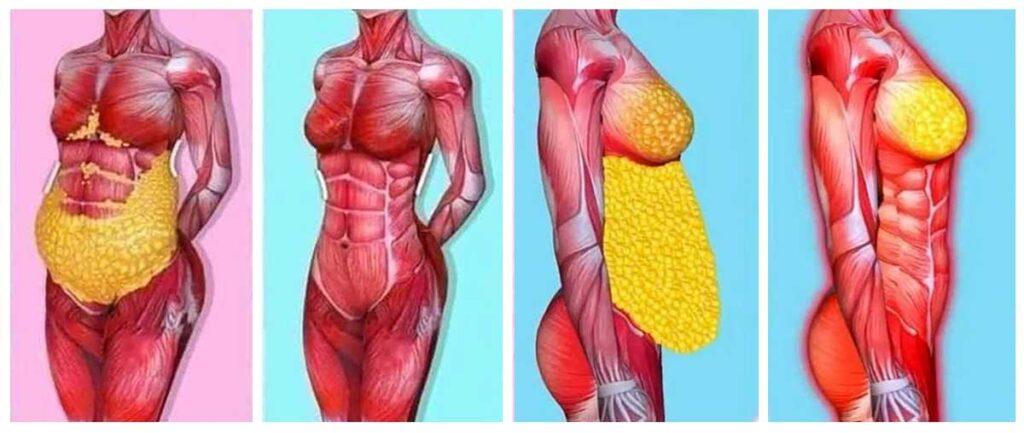
Imagine it as an invisible layer of fat that “wraps” around your internal organs in the abdominal area. In small amounts, it performs a protective function, but when it accumulates in excess, it becomes a real “parasite”. And the worst thing is that it does not stand idly by, but actively affects our entire body.
What is visceral fat
Visual fat is a small “chemical factory” that constantly produces harmful substances called cytokines. These cytokines cause chronic inflammation throughout the body – like a smoldering fire that never goes out. Visceral fat is a real toxic plague that “poisons” organs, damages blood vessels and disrupts the delicate hormonal balance.
A large amount of visceral fat turns our body into a “breeding ground” for all kinds of diseases and weakens our immune system. As we age, the risk of heart attack and stroke increases sharply, as inflamed arteries become more easily clogged or narrowed. Insulin sensitivity drops dramatically, bringing us dangerously close to type 2 diabetes. Testosterone in men (and women to a lesser extent) decreases, which leads to a loss of energy, motivation, makes it difficult to build muscle mass, and metabolism worsens.
Studies have even linked visceral fat to an increased risk of certain types of cancer, dementia, liver disease, and other serious health problems.
“But I’m thin, so I’m OK, right?”
You’re wrong!
Even if you’re one of those people who fits into size S clothes, this is no guarantee that you don’t have excess visceral fat. There are people who look thin on the outside, but are “full” of this insidious fat on the inside. We call them “thin on the outside, fat on the inside.”
The lack of excess weight does not automatically mean that you are protected. We have had cases where people with a perfect figure, measurements of a bioimpedance analyzer for body composition showed alarmingly high levels of visceral fat. And what’s worse, this large amount of internal fat often does not give any external signs until it leads to a serious health problem. That’s why we call them “silent killers.”
The truth is that many people, not just men, underestimate or simply don’t realize this danger.
Visceral fat doesn’t just take up space and damage organs. It actively “steals” our energy. We wake up tired, even after a good night’s sleep. We feel irritable and in a bad mood all day for no apparent reason. If we try to exercise, our workouts are sluggish and ineffective. Even our libido can suffer. This fat seems to suck our life force without us even noticing how it’s happening. That’s why it’s important to strive for a life without visceral fat.
But before we rush to the nearest gym, we need to understand something very important. This is where many people overestimate the gym and make a mistake. There’s no way to get rid of visceral fat with physical exertion alone. Cardio alone rarely solves the problem. Even if it helps, we often have to reduce subcutaneous and total fat to almost a minimum in order for the body to start “reaching” for internal fat. And this can take years of hard work. It won’t happen in 30 days.
Internal fat is not just a matter of training. It is a matter of a complete lifestyle.
The positive thing is that the sooner we realize this, the sooner we can take measures. And that’s exactly what I want to show you in the next steps.
How do we “get” this toxic layer around our organs?
The short answer is – because of our lifestyle.
The long answer, however, requires a little more explanation. Most people, often unconsciously, create ideal conditions for the accumulation of internal fat every day. And first of all, here is our diet.
It’s not just about eating too much (although that can be a factor). The problem is what exactly we’re eating.
Highly processed foods, sugary snacks, beer and other alcoholic beverages… all “delicacy” that we find hard to resist. Unfortunately, these products cause a sharp increase in insulin and “switch” our bodies into fat storage mode, especially in the abdominal area, around the stomach and other important organs.
The next “culprit” is training (or rather, the lack of it or its improper execution). Many people avoid any physical activity. But there are also those who supposedly train regularly, but still have excess visceral fat. Why?
Often the reason is the wrong approach. For example, endless cardio without strength training can lead to muscle loss, slowing down metabolism and even greater accumulation of visceral fat in the long run. Especially if the training is not supported by enough protein.
Let’s not forget one of the main “players” here – stress. Stress is like a magnet for visceral fat. Why? Because stress releases the hormone cortisol. When cortisol levels are high, it’s like “pouring gasoline on the fire” of visceral fat. And often, when we’re stressed, our entire diet goes to hell. We don’t even realize we’ve eaten a whole pizza. The reason? Cortisol again. And if you’re under constant stress – at work, at home – guess what, your body is in constant mode of accumulating visceral fat.
And this inevitably leads to the next big problem – insufficient sleep.
The Pyramid of Healthy Living (en translation)
As children in school, we were shown a healthy life as a pie chart with three equal parts – movement, nutrition and sleep. But as we get older, we understand that this should be a pyramid, the base of which is sleep, then nutrition and at the top – movement. Sleep is the foundation. If we don’t get enough sleep, our body falls into chaos. Hunger hormones rise sharply, the desire for unhealthy foods increases, and our ability to burn fat decreases. And on top of that, poor sleep also increases cortisol levels – a double whammy!
And what do we often do to “calm down”? We reach for alcohol. Alcohol is “liquid sugar” with serious side effects. It stops the body’s ability to process excess fat, as the liver is busy “neutralizing” it. Especially beer. No matter how much we reassure ourselves that it contains beneficial substances, beer is like a direct “pouring” of fat into the abdominal area. And for men, there’s an added “bonus” – beer increases estrogen levels. The most masculine drink makes you… less masculine in a certain aspect.
Finally, something that is often overlooked – age. After the age of 30, testosterone levels naturally begin to decline. And low testosterone is a “red carpet” for visceral fat. If we don’t take measures – we don’t exercise and don’t eat right – this fat will accumulate at an ever-increasing pace.
Here’s the balance: if we eat “junk”, move little, get angry a lot, sleep little and poorly, drink often and allow our hormones to decrease without fighting it – we get the perfect “cocktail” for visceral fat, instead of building a life without visceral fat.
I understand that so far it sounds quite discouraging. But let’s move on to the good news – all of this is fixable!
Age is not a vice!
In the next section, we will find out how to assess whether we have excess visceral fat, and then we will look at specific steps on how to deal with it.
How to find out how much visceral fat we have?
Most people think that if they don’t have a big belly, then they don’t have visceral fat. Unfortunately, this is not always the case. The most accurate way to measure visceral fat is through a DEXA scan, MRI or CT scan. But let’s be realistic – we are unlikely to sign up for such tests just because someone on the Internet told us that they are dangerous.
Therefore, there are simpler, although not as accurate, but perfectly acceptable methods. One of them is the waist test. Take a tailor’s tape measure and measure the circumference of your waist (about four fingers above your belly button). If you are a man and your waist is over 102 cm, this is a signal of a problem. For women, this limit is 88 cm.
A more accurate option is the waist-to-height ratio. Your waist circumference should be less than half your height. For example, if you are 180 cm tall, your waist should be under 90 cm.
Body shape itself can also be an indicator. If your belly is protruding, stretched, and hard, somewhat resembling a bowling pin, this is a classic sign of increased visceral fat. If your belly is softer and the skin is not as stretched, you probably have more subcutaneous fat.
Another easy and fairly reliable indicator is constant lack of energy, chronic fatigue, and a constant desire for sleep and sweets. This is often a sign of increased visceral fat.
Finally, if you have regular preventive checkups, pay attention to your indicators. High blood pressure, high cholesterol, pre-diabetes, or insulin resistance often go hand in hand with increased visceral fat, even if you are not overweight.
Visceral fat is like a poisonous gas – invisible, silent, and deadly.
Now that we know how to assess whether we have excess internal fat, let’s see how to deal with it.
7 steps to permanently “burn” visceral fat
Most people approach this problem wrong. They either starve themselves, or undergo drastic diets, or spend hours on the treadmill. Visceral fat requires a smarter and more sustainable approach.
Here is a working action plan for a life without visceral fat, without unnecessary complications:
Step 1: Balanced and sensible eating, not starvation.
We don’t need another “miracle” diet with hundreds of prohibitions. We just need to eat in a way that doesn’t allow the body to accumulate fat, but on the contrary, stimulates it to burn it. The easiest way to eat sensibly is to emphasize protein and fiber, while minimizing processed foods.
Foods rich in protein (proteins)
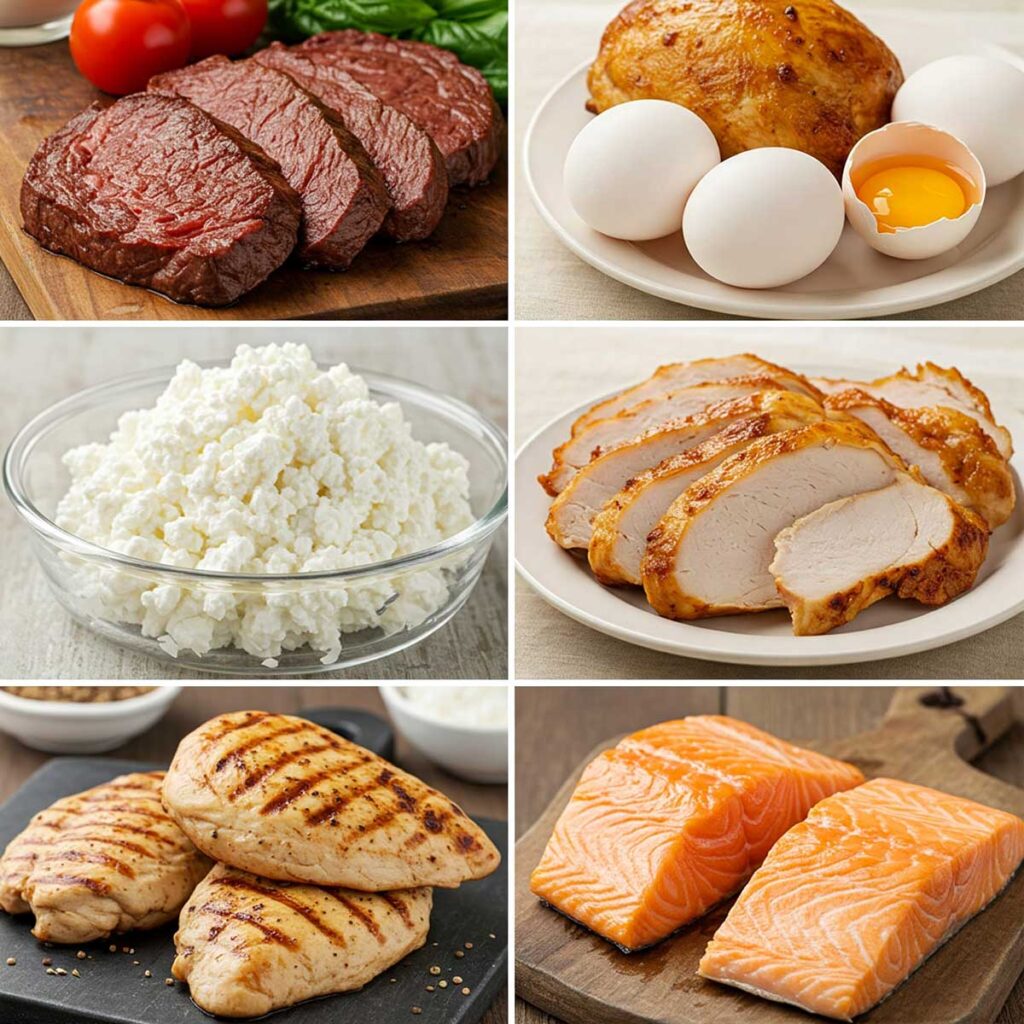
Here is a list of the foods in the image with the approximate protein content in 100 g of the product:
Veal (roasted): about 25-30 g of protein
Turkey (roasted, white): about 30 g of protein
Eggs (boiled): about 13 g protein
Quadra: about 11 g protein
Chicken (roasted, white): about 30 g protein
Fish (salmon, baked): about 25 g protein
Please note that these values are approximate and may vary depending on the specific type of product and the method of preparation.
Protein fills us up, maintains and increases muscle mass and speeds up metabolism. Make sure that each meal contains a source of protein (meat, fish, eggs, dairy products, legumes).
Fiber also fills us up without adding many calories and aids digestion. Include plenty of vegetables and fruits in your diet. It doesn’t matter if they are fresh or frozen, eat them with main meals or as snacks.
Carbohydrates are not the enemy! Choose complex carbohydrates (potatoes, rice, oats, whole grains) and limit simple carbohydrates and sugar (pasta, sugary drinks, desserts, processed foods). Try to avoid added sugar for at least 30 days.
It is important not to feel too limited. Use the 80/20 rule – eat healthy 80% of the time and allow yourself your favorite foods the other 20%.
Step 2: Strength training at least 3 times a week.
Forget about the idea of ”burning” maximum calories during training. Our main goal should be building muscle mass. The more muscle we have, the faster our metabolism will be and we will burn more calories even at rest.
Building Muscle Mass
A note for ladies: Don’t worry about becoming “muscular” and “masculine”. The female body has a different hormonal balance and this is very difficult to achieve without special supplements. Strength training will help you become leaner, stronger, and have a faster metabolism for a life without visceral fat.
It is recommended to visit a gym (or train at home with weights) at least three times a week. Focus on compound exercises that engage multiple muscle groups at once (e.g. squats, deadlifts, push-ups, pull-ups, barbell/dumbbell rows, bench press). Pay more attention to correct execution of the exercises than to the weight. Start with lighter weights to master the technique, and gradually increase the load. Aim for weights and a number of repetitions that are challenging but allow you to maintain good form.
Step 3: Exercise every day – walk more!
Walking is often underestimated, but it is an extremely effective means of burning internal fat and improving overall health.
Exercise every day
Why is it so important? Walking reduces stress, lowers cortisol levels, speeds up metabolism and helps directly burn visceral fat without putting unnecessary strain on the body.
The average person today takes between 3,000 and 5,000 steps per day. Try to increase this number to 8,000-10,000 steps per day. This can burn an extra 300-400 calories per day just from walking! It’s not that difficult – it can often be achieved with a little more than an hour of walking. Walking is the simplest form of cardio and does not cause the brutal hunger that often occurs after an intense run.
Step 4: Get enough and quality sleep – as if your life depends on it (because it largely does!).
We have already mentioned that sleep is the base of the health pyramid. When we don’t get enough sleep, our body increases cortisol levels and decreases testosterone levels – again “pouring gasoline on the fire” of visceral fat.
Get enough and quality sleep
Aim for at least 7-8 hours of sleep per night. If you have trouble sleeping, try improving your sleep quality:
Completely darken your bedroom. Make it as dark as possible.
Maintain a cool temperature in the room (around 18 degrees Celsius).
Avoid screens (phones, tablets, TVs) at least 30 minutes before bed.
Step 5: Manage stress effectively.
Of course, we can’t always avoid stressful situations. But we can learn how to react to them and how to reduce chronic stress, which is a real “damager” of health and a “lover” of visceral fat.
Manage Stress Effectively
You don’t have to meditate for an hour a day (unless you like it). Here are some simple but effective techniques:
A 10-minute walk in the fresh air every day. Without a phone, just enjoy nature and breathe. Try breathing through your nose – it calms your nervous system.
Take magnesium (remember to follow the recommended daily dose). It helps reduce cortisol levels and relaxes your muscles.
Try binaural beats. Search the internet for “binaural beats” and experiment with different melodies and frequencies. It may sound strange, but many people find it helps them relax.
Step 6: Limit (or temporarily stop) alcohol.
We’re not saying never drink again. But if you’re seriously motivated to lose belly fat fast, it’s best to cut out alcohol completely for at least the next 30 days.
Limit (and if possible – temporarily stop) alcohol
Alcohol worsens sleep quality, lowers testosterone levels, and prevents the body from burning fat, as the liver is busy processing it. In short – alcohol is a great “partner” of visceral fat.
There is also an unexpected bonus – you will save money and avoid some unwise decisions that we often make under its influence (both in nutrition and in other aspects).
Step 7: Be consistent, but don’t strive for perfection.
You are human, and there will be days when you don’t stick to your plan 100%. It’s important to get back on track as soon as possible – the very next day, not waiting for “Monday”, the end of the holidays, or next year. Success is not achieved by those who never make mistakes, but by those who learn from their mistakes and move on.
I know it’s easy to say, but trust me, you will be pleasantly surprised by the results you can achieve in just 30 days if you implement these steps to a life without visceral fat.
Be consistent, but don’t strive for perfectionism
And it’s not just about visceral fat anymore. It’s about your confidence, energy, sleep quality, relationships with loved ones, and even your bank account (you’ll spend less on junk food and alcohol). Taking care of yourself and your health is the best investment in the future.
In conclusion, let’s summarize the main steps:
Balanced and sensible nutrition: More protein and fiber, limited simple carbohydrates and sugar.
Strength training: At least 3 times a week, focusing on complex exercises and proper technique.
Daily exercise: Aim for 8,000-10,000 steps per day.
Quality sleep: 7-8 hours a night in a dark and cool room, no screens before bed.
Smith, G. I., Mittendorfer, B. (2016). Visceral adipose tissue: a critical regulator of metabolic disease. Best Practice & Research Clinical Endocrinology & Metabolism, 30(5), 511-521.
Klopfenstein, A. M., Forster, A., Rohner-Jeanrenaud, F. (2012). Brain insulin resistance: linking the brain to obesity and type 2 diabetes. Physiological Reviews, 92(4), 1441-1473.
Regarding nutrition:
Willett, W.C. (2012). Nutritional epidemiology. Oxford University Press.
Anderson, J.W., et al. (1991). Health implications of dietary fiber. Nutrition Reviews, 49(1), 1-18.
Regarding physical activity:
Garber, C.E., et al. (2011). Quantity and quality of exercise for developing and maintaining cardiorespiratory, musculoskeletal, and neuromotor fitness in apparently healthy adults: guidance for prescribing exercise. Medicine & Science in Sports & Exercise, 43(7), 1334-1359.
Regarding sleep:
Walker, M. P. (2017). Why we sleep: Unlocking the power of sleep and dreams. Scribner.
Regarding stress:
McEwen, B. S. (2007). Physiology and neurobiology of stress and adaptation: central role of the brain. Physiological Reviews, 87(3), 873-904.
Regarding alcohol:
Piano, M.R. (2017). Alcohol’s impact on the cardiovascular system: a review. Alcohol Research: Current Reviews, 38(2), 219.
Live Your Best Life – a path to health, well-being and opportunities
We often hear the call “Live Your Best Life” – a phrase that inspires, but sometimes makes us ask ourselves: “How exactly do I do it?”. In our hectic everyday life, filled with challenges, fatigue and information noise, achieving a fulfilling life can seem like an unattainable goal.
On the contrary. It’s easy. Let’s take a look at practical steps to unlock the best version of yourself. We’ll see how a balanced diet, an active lifestyle, and the right mindset can be not only the key to personal fulfillment, but also the foundation for building a successful business.
The Foundations for a Better Life in 14 Easy Steps:
Discover your passion and follow it. What makes you feel energized and inspired? Finding the spark that ignites you is the first step to a life with purpose and meaning. Experiment, learn new things, and when you find what ignites you, give it your all.
Taking care of your body and mind is an integral part of success. Physical and mental health are the foundation on which all success is built – both personal and professional. Herbalife understands this connection and offers products, guidance and support to support a balanced diet and an active lifestyle. Get enough sleep, hydration and exercise that you enjoy. Don’t neglect to take care of your emotional well-being through practices such as meditation or journaling [2, 3].
Build your own or join a strong support network: Surround yourself with positive and inspiring people. Meaningful relationships are a source of strength and motivation. This means being part of a community that shares your values and supports you on your path to success.
Set sensible health and business goals. Set clear, measurable, achievable, relevant and time-bound goals not only for your personal development but also for your health and eventual business ambitions. Herbalife offers an ideal environment for development. Start small and build up gradually. Change may not be easy, let’s make it happen as quickly as possible. Real progress takes time and consistency.
Creating a routine for success. An effective daily routine is the key to achieving your goals. Create it smartly so that it is truly a routine. Include balanced nutrition, physical activity, personal development and, last but not least, business. By sticking to your new daily routine, it will become much easier to achieve bigger goals because the brain learns that these habits are now very quick and easy.
Keep a journal for awareness and planning. Write down your thoughts, feelings, gratitude and plans. This will help you become more aware of yourself and track your progress – both personally and in terms of your health goals and business endeavors. Nicolette Toura notes that journaling gives us “more space in our minds” [3].
Practice mindfulness for balance and focus. Incorporate mindfulness techniques into your daily life to reduce stress and improve your concentration [2]. This will benefit not only your personal well-being, but also your ability to make informed decisions in your business.
Express gratitude – for a positive attitude and motivation. Focus on what you are grateful for. This practice has been shown to increase feelings of happiness and satisfaction [5]. A positive attitude is key to success in every area of life, including business.
Take care of your physical and mental health. Herbalife offers a range of products that can support your balanced diet and active lifestyle [8, 9]. Take advantage of these opportunities, while also remembering the importance of sleep, hydration, and emotional well-being. We recommend consulting with a nutrition coach, as each person has their own personal needs and characteristics, and the coach is trained to best accommodate them.
Invest in meaningful activities and people. Make time for activities that bring you joy and energize you. Surround yourself with people who support and inspire you – both in your personal circle and in the Herbalife community, where you can find like-minded people and mentors.
Deal with your inner critic for more confidence: Recognize and challenge negative thoughts that prevent you from reaching your full potential [10]. Believing in yourself and your abilities is essential for success, whether it’s achieving personal goals or growing a business.
Focus on yourself, not on comparing yourself to others. Focus on your own progress and development. Use the achievements of others as inspiration, but don’t compare yourself to them – compete only with yourself. Building self-love and respect is the foundation of true happiness and success [11].
Challenge yourself to grow and develop. Step out of your comfort zone and seek out new opportunities to learn and develop – both personally and within the Herbalife context. Participate in training, seek out mentors, and don’t be afraid to take on new challenges.
Living in the present and embracing change: Learn to adapt to unexpected situations and focus on the present moment [4]. You can’t change the past – detach yourself from it. Flexibility and the ability to learn from experience are key to navigating both your personal life and the dynamic world of business.
In conclusion, the path to “your best life” is holistic and involves taking care of your body, mind, and spirit. Herbalife, with its products and community, can be a valuable partner on this journey, offering not only solutions for balanced nutrition and an active lifestyle, but also the opportunity to build your own successful business based on sharing these values with others. Seize the opportunities, believe in yourself and start living your best life – today! Find out how and contact us.
Bibliography:
Baikie, K. A., & Wilhelm, K. (2005). Emotional and physical health benefits of expressive writing. Advances in Psychiatric Treatment, 11(5), 338-346.
Kabat-Zinn, J. (1990). Full catastrophe living: Using the wisdom of your body and mind to face stress, pain, and illness. Delta.
Williams, M., Teasdale, J., Segal, Z., & Kabat-Zinn, J. (2018). The mindful way through depression: Freeing yourself from chronic unhappiness. Guilford Press.
Hanh, T. N. (1976). The miracle of mindfulness: An introduction to the practice of meditation. Beacon Press.
Emmons, R. A., & McCullough, M. E. (2003). Counting blessings versus burdens: An experimental investigation of gratitude and subjective well-being in daily life. Journal of Personality and Social Psychology, 84(2), 377-389.
Seligman, M. E. P., Steen, T. A., Park, N., & Peterson, C. (2005). Positive psychology progress: Empirical validation of interventions. American Psychologist, 60(5), 410-421.
Lyubomirsky, S. (2007). The how of happiness: A new approach to getting the life you want. Penguin Books.
Ratey, J. J., & Hagerman, E. (2008). Spark: The revolutionary new science of exercise and the brain. Little, Brown and Company.
National Academies of Sciences, Engineering, and Medicine. (2005). Dietary reference intakes for water, potassium, sodium, chloride, and sulfate. National Academies Press.
Beck, J. S. (2011). Cognitive behavior therapy: Basics and beyond. Guilford Press.
Owen, A. M., Hampshire, A., Grahn, J. A., Stenton, R., Dajani, S., Burns, A. S., … & Ballard, C. G. (2010). Putting brain training to the test. Nature, 465(7299), 775-778.
The liver is a true hero of our body. It tirelessly filters the blood, processes nutrients, synthesizes important proteins and fights toxins. However, sometimes, under the pressure of an unhealthy lifestyle, it can become overloaded and begin to suffer, leading to a condition called steatosis (fatty liver).
In this article, we’ll look at science-based strategies to support your liver in its cleansing function and prevent or reverse the process of obesity. We’ll debunk the myth of the literal “quick cleanse” and focus on sustainable changes that really matter.
How to “cleanse” your liver quickly? I hate to disappoint you so much, but there’s no such thing as a quick liver cleanse.
Let’s get scientific. Is a liver “detox” necessary?
We often hear about “detox” diets and products that promise miraculous cleansing. The truth is, a healthy liver is a master at self-cleansing. It has complex enzyme systems (such as cytochrome P450) that neutralize harmful substances and prepare them for excretion from the body through the bile and kidneys [1].
However, when we systematically expose it to high levels of toxins (from junk food, alcohol, polluted air) and deprive it of the nutrients it needs, its effectiveness can decrease. In this sense, we are not talking about “cleansing” in the magical sense, but about supporting the natural cleansing functions of the liver and reducing its workload.
Effective Strategies to Support and Restore Your Liver
Instead of questionable “detox” regimens, focus on these science-backed steps:
Liver-Friendly Diet: The Foundation of Liver Health
A proper diet is the cornerstone of a healthy liver. Here are some foods to include and avoid:
In Focus:
Green leafy vegetables (spinach, kale, arugula): Rich in chlorophyll and antioxidants that aid detoxification and reduce oxidative stress [2].
Cruciferous vegetables (broccoli, Brussels sprouts, cauliflower): Contain compounds like sulforaphane that activate liver detoxification enzymes [3].
High-fiber foods (whole grains, beans, flaxseed): Help eliminate toxins through the digestive tract and regulate blood sugar levels, which is important for preventing fatty liver [4].
Healthy fats (avocado, olive oil, oily fish – salmon, sardines): Rich in monounsaturated and omega-3 fatty acids, which have anti-inflammatory properties and can reduce fat accumulation in the liver [5].
Liver-supporting fruits (grapefruit, lemon, berries): Contain high levels of antioxidants such as vitamin C and flavonoids, which protect liver cells from damage [6].
Avoid or limit:
Processed foods: Often contain hidden fats, sugars, and additives that put a strain on the liver.
Refined sugars: Lead to increased blood sugar levels and can contribute to the formation of fat in the liver [7].
Excessive carbohydrates (especially from white flour and sweets): Like refined sugars, to turn into fat in the liver.
Fried foods: Contain saturated and trans fats, which are harmful to the liver and cardiovascular system.
Artificial additives (colorings, preservatives, sweeteners): The liver has to process them, which increases its work.
Hydration is the key to effective detoxification
Water is essential for all bodily functions, including liver detoxification. Adequate fluid intake helps the liver filter the blood more effectively and eliminate waste products [8].
Healthy Drinks:
Warm water with lemon: Can stimulate the production of bile, which is important for digestion and the elimination of toxins [9].
Green tea: Contains catechins, powerful antioxidants that may help reduce fat in the liver and protect it from damage [10].
Turmeric tea: Curcumin, the active ingredient in turmeric, has anti-inflammatory properties and may be beneficial for liver health [11].
Avoid: Alcohol and sugary drinks, which directly stress liver cells and can contribute to liver damage and obesity [12].
Regular physical activity is an ally for a healthy liver
Exercise isn’t just good for your waistline. Regular exercise helps burn excess fat throughout your body, including your liver. It also improves insulin sensitivity, which is important for preventing nonalcoholic fatty liver disease [13].
Recommended activities:
Cardio training (walking, jogging, swimming): At least 30-45 minutes most days of the week.
Strength training: Helps build muscle mass and improve metabolism.
Yoga and stretching: Can improve blood circulation, including to the liver, and reduce stress.
Natural helpers – when and how to use them
How to quickly “cleanse” the liver with organic products? Some natural supplements may support liver function, but should always be used with caution and after consulting a doctor:
Milk thistle (silymarin): Has hepatoprotective properties, protects liver cells, and may help them regenerate [14].
Dandelion root: Traditionally used to stimulate bile production and aid in detoxification [15].
N-acetylcysteine (NAC): Is a precursor to glutathione, a powerful antioxidant that plays a key role in liver detoxification [16].
Omega-3 fatty acids: May help reduce inflammation and fat accumulation in the liver [17].
Important: Self-medicating with supplements can be dangerous. Always consult a healthcare professional before taking any supplements, especially if you have pre-existing health conditions or are taking other medications.
Quality sleep and stress management are important parts of recovery
Chronic stress and lack of sleep can have a negative effect on the liver. High levels of cortisol, the stress hormone, can contribute to the accumulation of fat in the liver [18].
Take care of your sleep: Aim for 7-9 hours of quality, uninterrupted sleep each night.
Manage stress: Practice relaxation techniques such as meditation, deep breathing, yoga, or journaling.
Avoid toxins and unnecessary medications
The liver is the main organ that processes foreign substances, including medications and environmental toxins.
Reduce exposure to: Pesticides (by eating organic foods), chemicals (in cleaning products and cosmetics), and air pollution.
Avoid unnecessary medications: Especially nonsteroidal anti-inflammatory drugs (NSAIDs) like ibuprofen, which can be hard on the liver with prolonged use [19]. Always consult a doctor before taking any medication.
How long does it take for the liver to recover?
There is no one-size-fits-all answer. The liver has a unique ability to repair lost tissue. In healthy people, it can regenerate up to half its mass in about 30 days. Unfortunately, this does not mean that we can have a whole and completely new liver in 60 days. The recovery time depends on the degree of damage and the consistency in implementing healthy changes:
Mild steatosis: May show improvement after a few weeks of strict adherence to recommendations.
Moderate steatosis: Significant improvement is usually observed within 3 to 6 months.
Advanced steatosis: Recovery can take a year or more and requires more intensive and sustained efforts.
Conclusion: The path to a healthy liver is not instant, but persistent and sustainable.
The “quick cleanse” of the liver is more of a marketing gimmick than a scientific reality. True support and recovery of this vital organ requires a comprehensive and sustainable approach, including healthy nutrition, adequate hydration, regular physical activity, stress management, and avoidance of harmful factors.
How to quickly “cleanse” the liver? By following these science-based strategies, you will not only “cleanse” your liver, but also help it restore its functions and protect yourself from future problems, ensuring better health and quality of life in the long term.
The liver has a remarkable ability to regenerate, allowing it to quickly restore lost tissue. However, the time to “fully restore” its function is a more complex process and depends on multiple factors. Although new cells can be formed quickly, restoring full structure and function can take a significant amount of time and is not always possible in severe chronic damage. Maintaining a healthy lifestyle and balanced diet is most important for maintaining liver health and supporting its natural ability to recover.
Bibliographic reference
Hodges, R. E., & Minich, D. M. (2015). Modulation of Metabolic Detoxification Pathways Using Foods and Food-Derived Components: A Scientific Review with Clinical Application. Journal of Nutrition and Metabolism, 2015, 760679.
Ferruzzi, M. G., Blakeslee, J., Schwartz, S. J., & Song, Y. (2007). Antioxidant and anti-inflammatory properties of purple-carotenoid-rich vegetables. British Journal of Nutrition, 98(S1), S155-S159.
Clarke, J. D., Dashwood, R. H., & Ho, E. (2008). Multi-targeted prevention of cancer by sulforaphane. Cancer Letters, 269(2), 291-304.
Anderson, J. W., Baird, P., Davis Jr, R. H., Ferreri, S., Knudtson, M., Koraym, A., … & Waters, V. (1994). Health implications of dietary fiber. Nutrition Reviews, 52(1), 1-18.
গিয়েছেন, M. A., Hossain, M. S., & Islam, M. A. (2014). Effects of monounsaturated and polyunsaturated fatty acids on non-alcoholic fatty liver disease: A systematic review and meta-analysis. PloS One, 9(1), e85202.
مفتح, G., Emamat, H., Askari, G., Darvishi, L., Hariri, M., Khorvash, F., & Maracy, M. (2017). Effects of antioxidant supplementation on non-alcoholic fatty liver disease: a systematic review and meta-analysis of randomized controlled trials. International Journal of Clinical Practice, 71(10), e12981.
Lustig, R. H. (2010). Fructose 2.0: metabolic, genetic, and societal implications of fructose excess. American Journal of Clinical Nutrition, 91(6), 1387-1394.
Popkin, B. M., D’Anci, K. E., & Rosenberg, I. H. (2010). Water, hydration, and health. Nutrition Reviews, 68(8), 439-458.
Rathi, N. L., & Keshwani, R. (2010). The effect of lemon juice on human bile. Indian Journal of Gastroenterology, 29(2), 117.
Singh, B. N., Shankar, S., & Srivastava, R. K. (2011). Green tea catechin, epigallocatechin-3-gallate (EGCG): mechanisms, perspectives and clinical applications. Biochemical Pharmacology, 82(12), 1807-1821.
Menon, V. P., & Sudheer, A. R. (2007). Antioxidant and anti-inflammatory properties of curcumin. The Indian Journal of Medical Research, 126(1), 29.
চ্যাটার্জী, S., & Das, S. (2012). The metabolic syndrome and nonalcoholic fatty liver disease. Digestive Diseases and Sciences, 57(3), 634-640.
Zelber-Sagi, S., Ratziu, V., строй, G., дизел, E., & Oren, R. (2011). Non-alcoholic fatty liver disease: an emerging pandemic. World Journal of Gastroenterology, 17(36), 4147.
Abenavoli, L., Izzo, A. A., Milić, N., Cicala, C., Santini, A., & Capasso, R. (2018). Milk thistle (Silybum marianum) for non-alcoholic fatty liver disease: A systematic review and meta-analysis. Phytotherapy Research, 32(11), 2202-2213.
колело, J. B. (2009). Dandelion (Taraxacum officinale) root extract affects lipid metabolism in hypercholesterolemic rats. Journal of Ethnopharmacology, 122(2), 306-313.
Mokhtari, V., Afshari, P., Shahhoseini, M., Kalantarzadeh, G., Moini, A., Taghizadeh, M., & Ashtari, S. (2017). A review on the effects of N-acetylcysteine in neurodegenerative diseases. Cellular and Molecular Neurobiology, 37(7), 1463-1471.
Parker, H. M., Johnson, N. A., Burdon, C. A., конска опашка, M. J., & Clifton, P. M. (2012). Omega-3 fatty acids and non-alcoholic fatty liver disease: systematic review and meta-analysis. Journal of Hepatology, 56(4), 944-951.
How to add years to your life with these 6 easy tips
How to add years to your life
Do you look your age? Or maybe you are one of those lucky ones who managed to outwit the weather?
How to add years to your life?
Galya and I are the lucky ones and we are ready to share our secrets with you. How to slow down the biological clock and keep your youth longer? The answer is not in expensive creams or miracle diets, but in simple, daily habits supported by quality products with high nutritional value.
Ten years ago we were constantly tired, angry, gloomy and dissatisfied with everything and everyone. We usually ate once a day, and quite abundantly at that. We drank an unlimited amount of fresh for breakfast, sometimes topped with a greasy patty or other pasta, also abundantly, because breakfast is the most important meal of the day. We stuffed ourselves with everything we read somewhere that was useful. We imagined we were eating healthy. We drank a lot of coffee, and if we drank water, it was in those coffees.
Today, no one gives us 60 years – our real age. We eat balanced and sensibly, with the wise support of science. After completely changing our way of eating and living, we feel full of energy and optimism.
In this article, we will reveal to you step by step how to transform your health and appearance.
Are you ready to discover our formula for eternal youth?
1. Nutrition – the fuel of youth
Food as fuel for youth: What to eat to slow down aging?
Proper nutrition is one of the most powerful tools for slowing down biological aging. By choosing foods rich in antioxidants, fiber and healthy fats, we nourish our cells and slow down the oxidation processes that lead to tissue damage.
What to include in our menu:
Green leafy vegetables: Rich in vitamins, minerals and antioxidants, they help detoxify the body and improve the immune system.
Fruits: Source of fiber, vitamins and antioxidants. Try to vary the fruits you consume to get the maximum benefit.
Nuts and seeds: Rich in healthy fats, protein and fiber. They help regulate cholesterol levels and keep the heart healthy.
Oily fish: Source of omega-3 fatty acids, which are essential for brain and heart health.
Legumes: Rich in protein, fiber and B vitamins. They help stabilize blood sugar levels and keep you feeling full.
Proteins: why are they so important?
To prevent the loss of muscle mass known as sarcopenia it is essential as we age to increase our protein intake. Proteins are the building blocks of muscles, and the amino acids that make them up are responsible for the regeneration and growth of muscle tissues. Essential amino acids are especially important, which the body cannot synthesize on its own and must be obtained through food. Protein is vital for the renewal of all organs of the human body. Meat is one of the best sources of complete proteins, containing all the necessary amino acids in an optimal ratio.
And let’s not forget the water intake
Every day we should drink 1.8-2 to 3-4 liters of plain water, depending on weight and personal needs and characteristics (you can consult your nutrition coach for the right amount for you).
How to add years to your life?
Examples of a healthy breakfast:
Herbalife Shake.
Boiled eggs, vegetables, yogurt.
Examples of a morning snack:
Fruit – apple, grapefruit, kiwi, banana.
Herbalife Protein Bar.
Examples of a healthy lunch:
Roasted lean meat with a hearty salad of vegetables or grilled vegetables and ayran for a drink.
Omelet with vegetable salad, whole grain bread and ayran.
Examples of an afternoon snack:
Pepper stuffed with cottage cheese.
Roasted soybeans (30-50 years).
Examples of a healthy dinner:
Herbalife Shake.
Salad with egg and chicken or ham.
It is important to note that there is no one-size-fits-all diet. Individual needs and preferences play an important role in food choices. The intake of the necessary amount of protein is especially important.
Be sure to consult with a nutritionist or nutrition coach to create a personalized meal plan.
Beyond the plate: Skin care that rejuvenates
How to add years to your life?
A healthy diet is the foundation for beautiful skin, but external care also plays an important role. By combining the right products and habits, we can slow down the aging process and keep our skin radiant and youthful.
Sun Protection: Sun damage is a major culprit in premature aging.Use a broad-spectrum, high-SPF sunscreen daily, even in winter. Wear a hat and sunglasses when outdoors.
Hydration: Keep your skin well hydrated by drinking enough water and using moisturizers suitable for your skin type.
Antioxidants: Include in your daily skin care products with antioxidants that neutralize free radicals and protect the skin from damage.
Retinol: Retinol stimulates collagen production and is one of the most effective anti-aging ingredients. Consult a dermatologist to determine the most suitable product for you.
Nutritional supplements: Take nutritional supplements to stimulate the production of collagen in the skin. Consult your nutrition coach in an individual conversation.
Sun damage is a major culprit in premature aging
Remember: Skin care is an individual process. Consult a dermatologist or nutritional coach to determine the best products and treatments for your skin type and specific needs.
Eating right is only one piece of the puzzle. To achieve optimal results, we must combine a healthy diet with regular physical activity, adequate sleep and stress management.
2. Movement is life – your personalized training program
Regular physical activity is the key to youth and health. It not only accelerates metabolism and builds muscles, but also improves mood, reduces stress, strengthens immunity, heart and bones.
What workout to choose?
The combination of strength training and aerobic exercise is ideal for people of all ages. Strength training will build muscle mass and speed up the metabolism for a long time, while aerobic exercise will improve the cardiovascular system and burn calories.
How to add years to your life?
Sample training program for beginners:
Warm-up: 5 minutes of cardio (walking in place, jumping rope)
Strength training: 3 sets of 10-12 repetitions for each exercise (squats, push-ups, rowing with rubber bands)
Cardio: 20-30 minutes of brisk walking, jogging or swimming
Stretching: 5-10 minutes
Obviously, you don’t need to embark on heavy and expensive gym workouts.
Gradually increase the intensity and duration of your workouts. Consult a doctor or fitness instructor to create a personalized program that meets your specific goals, needs and capabilities.
Why exercise regularly?
Better mood: Physical activity stimulates the production of endorphins – the hormones of happiness.
Stronger immune system: Regular physical activity strengthens the immune system and protects you from diseases.
Greater independence: Strong muscles and good coordination allow you to take care of yourself and be more active in everyday life without “lying on your children’s arms”.
Don’t give up! Every progress, no matter how small, is important. Find a workout partner, sign up for group classes, or create your own routine. The most important thing is to move and enjoy the process!
3. Rest – the key to youth
Sleep – the basis of recovery
Quality sleep is the foundation of good health and youth. During sleep, the body recovers, regenerates cells and strengthens the immune system.
Deep sleep (REM sleep): This is the phase of sleep during which the most important restorative processes occur. Aim for a minimum of 5-7 hours of uninterrupted sleep each night.
Create a bedtime ritual: A relaxing bath, reading a book or meditating can help you relax and fall asleep more easily.
Create a comfortable sleeping environment: A dark, quiet and cool room will help you fall asleep faster and sleep more soundly.
Avoid screens before bed: Blue light from phones, tablets and computers can disrupt the production of melatonin, the sleep hormone.
Relaxation and stress management
Stress is one of the biggest enemies of youth. It accelerates the aging process and weakens the immune system. To cope with stress, you can use the following techniques:
Meditation: Regular meditation can reduce levels of cortisol, the stress hormone, and improve your overall well-being.
Sauna: The sauna helps detoxify the body, relaxes muscles and reduces stress.
Massages: Massage not only relaxes muscles, but also stimulates blood circulation and the lymphatic system, which helps to recover faster.
Cold showers: The thermogenic effect of cold showers can speed up metabolism and improve mood.
How to add years to your life?
Additional relaxation tips:
Yoga and Pilates: These practices combine physical activity with breathing exercises and meditation to help reduce stress and improve flexibility.
Spending time in nature: Contact with nature has a calming effect on the nervous system.
Hobbies: Make time for activities that bring you pleasure and help you relax.
Spending time with children and grandchildren: Be sure to spend a large part of your free time talking and interacting with children and grandchildren. Not just to be in the same room, but to communicate with them!
Remember: Rest is just as important as physical activity and a healthy diet.
Quality sleep and effective relaxation techniques are the key to youth and longevity
Are you interested in how important hormonal balance is for good sleep? Do you use any specific meditation techniques?
What do you think about the effect of light on sleep? What do you think is the optimal sleeping environment?
Why don’t you share these things in a comment?
4. Sex – fountain of youth and intimacy
Sex as the Fountain of Youth: The Benefits of an Active Sex Life
Sexual activity is an integral part of human life and has numerous benefits for physical and mental health. Regular sex can:
Increase levels of happy hormones: Sex stimulates the release of endorphins, which improve mood and reduce stress.
Strengthen the heart: Regular sexual activity can improve blood circulation and reduce the risk of cardiovascular disease.
Strengthen the immune system: Sex stimulates the immune system and helps us fight infections.
Improve the quality of sleep: After orgasm, the hormone oxytocin is released, which has a relaxing effect and promotes better sleep.
Increases self-esteem: Good sexual relations strengthen the relationship between partners and increase self-esteem.
Slow down the aging process: Some studies suggest that regular sex can slow down the aging process at the cellular level.
Love Knows No Age: How to Maintain Intimacy Over the Years
Over time, your sex life may change, but that doesn’t mean intimacy has to disappear. Never deprive yourself of regular sex. Thus you enter a vicious circle of deprivation and self-neglect, from which it is very difficult to get out and it constantly deepens. Here are some tips to keep the spark alive in your relationship:
Communication: Open and honest communication about sexual wants and needs is essential to maintaining intimacy.
Variety: Don’t be afraid to experiment and try new things in your sex life.
Romance: Small gestures of attention and romance can keep the flame of love alive.
Physical closeness: Even when libido decreases, physical closeness, such as hugs and kisses, is important for strengthening the relationship.
Self-care: Self-care is not identical to selfishness. On the contrary! Good physical and mental health are the basis for a satisfying sex life for both.
Factors that can affect sex life:
Health conditions: Certain medical conditions, such as diabetes, high blood pressure, and depression, can affect sexual desire and function. Never neglect your own health in order to please your loved ones – over time, this has an extremely serious adverse effect.
Lack of sufficient protein, fat and water: For a man to ejaculate normally, intake of sufficient protein (desirable meat) and fat (useful) is necessary, and sufficient water is necessary for both the man and and for the normal sexual functions of a woman.
Medications: Some medications can reduce sexual desire or cause erectile dysfunction in men or reluctance to have sex in women.
Stress: Chronic stress can affect sexual desire and function. Try to keep calm in any situation. Remember that you owe nothing to anyone beyond normal respect for parents.
5. Environment – its influence on aging
All around us: How our environment affects aging
The environment we live in has a significant impact on our health and well-being, including the aging process. Here are some important factors:
Air and water quality: Polluted air and water can damage cells and accelerate the aging process. Observe the necessary hygiene.
Noise: Studies show that prolonged exposure to noise can lead to sleep disturbances, stress and cardiovascular problems. Provide yourself with a normal working and living environment. If you have to, change jobs or housing.
Electromagnetic radiation: Electromagnetic fields emitted by electrical appliances and mobile phones can affect health, although scientific evidence is still conflicting. I categorically do not believe that this is the case, and science also claims it, but nothing prevents us from observing elementary rules for their use.
Socio-economic factors: Access to health care, education and healthy food has a significant impact on the length and quality of life. Unfortunately, very little depends on us personally in these areas and it is difficult for us to change, but to a certain extent we can also influence this.
Positive Friends, Positive Life: The Power of Social Communication
It is common knowledge that a person is like the five closest people with whom he constantly communicates.
Social connections are essential to our mental and physical health. People who have a strong social community live longer and are healthier.
Emotional support: Friends and family provide us with emotional support that helps us cope with stress and difficulties.
Social Activity: Participating in social activities helps us feel connected to others and have meaning in life.
Therefore, it is important to surround ourselves with positive people who inspire and support us. Since in most cases we cannot change the negative ones, a good solution is to simply get rid of them and communication with such people.
How to build a strong community:
Join clubs and organizations: Find a hobby or interest you share with other people. If you don’t like the environment, look for another one – you are not a tree with roots there.
Volunteering: Volunteering is a great way to meet new people and do something good for the community.
Do good deeds: Nothing stands in your way and you will see for yourself how good you will feel if you decide and do five good deeds every day.
Keep in touch with old friends: Remember to connect with your friends regularly, even remotely.
Be open to new acquaintances: Be open to new opportunities and don’t be afraid to talk to strangers.
The environment we live in has a significant impact on our health and well-being. The quality of air, water and food, as well as the strength of our social connections, are important factors that can influence the aging process. By taking care of ourselves and our environment, we can increase our chances of living a long and happy life.
How does your living environment affect your health?
Do you think spending time in nature is important?
Do you think it is important to spend time with the closest people – relatives and friends?
Why not share your thoughts in a comment?
6. Patience – The key to long-term success
Slow But Sure: Why Patience Is Important in Achieving Your Goals
Patience is one of the most important virtues when it comes to achieving long-term goals, especially those related to health and wellness. Here’s why:
Incremental changes: Big changes are built from small steps. Crash diets and extreme workouts often lead to short-term results and can harm health.
Longer-term sustainability: Incremental changes are easier to sustain in the long term. When you progress slowly and steadily, you are less likely to give up.
Reduce stress: When we are patient, we are less likely to feel stressed or frustrated if we don’t see results right away.
Better understanding of our body: The slow and gradual process of change allows us to get to know our body better and understand how it reacts to different stimuli.
The road to youth is a marathon, not a sprint: How to stay motivated
Yes, absolutely true! Achieving long-term goals requires persistence and patience.
Here are some tips to stay motivated:
Set realistic goals: Goals should be achievable and measurable.
Take small steps: Break the big goal down into smaller, more manageable steps.
Reward yourself: Reward yourself for achieving goals, no matter how small the successes may seem, to keep you motivated.
Find a like-minded person: find a training partner or friend to share your progress with.
Keep a journal: Record your achievements, challenges and thoughts. This will help you track your progress and stay focused.
Be patient with yourself: Don’t compare yourself to others and don’t get discouraged if you don’t see results right away.
Visualize: Make a dream board. Imagine how you will feel when you achieve your goals.
Positive thoughts (mantras): Repeat positive affirmations about yourself and your abilities. For some people, this has a huge impact.
Take care of yourself: Take time for yourself to relax and enjoy life. You may not believe me, but devoting yourself completely to others is a huge mistake, regardless of the purpose for which you do it. You will not receive thanks, and one day you will “lie on the arms of your children”, if they can even afford it.
The road to youth and health is a marathon, not a sprint. Patience, persistence and positive thinking are key to achieving long-term goals. Don’t give up and keep moving forward, one step at a time.
Youth is a matter of choice.
Youth is a way of life.
Youth is not determined by age, but by our attitude towards life and the actions we take. By investing in our health and well-being, we can slow down the aging process and enjoy a fulfilling life in adulthood.
Proper nutrition, regular exercise, adequate sleep and rest, sex, stress management and maintaining social connections are key elements for longevity and a good quality of life. By combining these factors with positive thinking and by taking responsibility for our own health, we can reach our full potential and live a long and happy life.
Let every day be a celebration of life and strive for continuous improvement.
I hope this text helps you understand how to add years to your life with these 6 easy tips.
Resources Used:
National Institutes of Health (NIH) – National Institute on Aging (NIA): https://www.nia.nih.gov/ NIA is the world’s leading aging research organization. Publishes numerous articles, facts and advice based on the latest scientific research. They offer information on healthy aging, age-related diseases, and strategies to improve quality of life.
National Geographic Magazine: https://www.nationalgeographic.com/ National Geographic publishes articles related to health and wellness, including topics related to aging.</li >
Harvard Health Publishing: https://www.health.harvard.edu/ This is the official Harvard University Health website. It offers reliable and up-to-date information on various health issues, including aging.
Mayo Clinic: https://www.mayoclinic.org/ Mayo Clinic is one of the most prestigious clinics in the world. Their website offers detailed information on various diseases, treatments and ways to stay healthy.
And most importantly – personal experience and experiences!
It may not sound convincing (the truth is often not convincing) that when we started eating properly, our food budget increased by as much as 8 BGN for two people. In addition, I have not deducted the price of the handful of medicines that gradually became superfluous and we stopped buying.
We just started buying quality products and threw out all “junk” and harmful foods and drinks from our menu.
Yes, back then we were only with a basic program, now we can afford whatever we want.
Today I came across some official statistics and conclusions from them.
A study published in the journal Health Relations: “People of normal weight spend less money on medical bills and expenses than their overweight peers. Specifically, the researchers found that obese people spent an average of $1,429 more than their normal-weight peers.”
That’s 42% more!
Most of these additional funds go to prescription drugs needed to manage chronic conditions.
According to a 2014 report, ibid: “Annual health care costs for people who are morbidly obese are 90% higher than those of normal weight people!”
How does it look to you?
Will you dare to say “I don’t have money for a healthy life“?
And I haven’t even mentioned a word about cigarettes, alcohol and other similar products with which many people destroy themselves.
Take a close look at the excuses and reasons picture above and think again.
With a minimal investment, you can participate in the marathon for healthier and happier people. After only a week, you will know for sure whether you want to start a healthier and more active lifestyle. And along with that, you will feel the first benefits of it.
It will help you overcome your fears, convince yourself that you can – it’s actually very easy, but you never knew it…
What do you have to do?
Just contact us. Here is the first teaser task – find out how to contact us (Gali or Tony) and we will include you in this challenge.
Управление на съгласие
To provide the best experiences, we use technologies like cookies to store and/or access device information. Consenting to these technologies will allow us to process data such as browsing behavior or unique IDs on this site. Not consenting or withdrawing consent, may adversely affect certain features and functions.
Функционални
Always active
Техническото съхраняване или достъпът са строго необходими за легитимната цел да се даде възможност за използване на конкретна услуга, изрично поискана от абоната или потребителя, или единствено с цел да се осъществи предаване на съобщение по електронна съобщителна мрежа.
Опции
Техническото съхранение или достъпът са необходими за легитимната цел да се съхраняват предпочитания, които не са поискани от абоната или потребителя.
Статистика
Техническото съхранение или достъп, които се използват изключително за статистически цели.Техническото съхранение или достъп, които се използват изключително за анонимни статистически цели. Без съдебна призовка, доброволно изпълнение от страна на Вашия доставчик на интернет услуги или допълнителни записи от трета страна, информацията, съхранявана или извличана само за тази цел, обикновено не може да се използва за идентифицирането Ви.
Маркетинг
Техническото съхранение или достъпът са необходими за създаване на потребителски профили за изпращане на реклами или за проследяване на потребителя на даден уебсайт или на няколко уебсайта за подобни маркетингови цели.